list & sell commercial investment property - here is how

Posted by Paige Campbell on May 13, 2019 8:00:00 AM

Commercial InvestmentThis course is designed for the agent who is looking to work in Commercial Investment Property! During this 2-hour course you will learn:

  • The language of the investor and what to say to show you're knowledgeable.
  • Terminology such as GRM, CAP, ROE, ROI, OM, C.A.R., A.I.R., L.O.I., expenses and vacancy factors. 
  • Dynamic scripts for communicating with Commercial Brokers. 
  • Strategies to help Sellers understand that they could be getting a better Return on Equity.
  • Strategies to help Buyers understand that they could be getting a better Return on Investment.

This course will teach you how to effectively stand out, get business, and get paid!

Event Details: Thursday, June 13th, 2019
Time: 1 PM - 3PM | PSAR East County Service Center
1150 Broadway #100, El Cajon, 92021


Cost: $25

Register Here
Space is limited. 

Topics: Education

Renew your DRE License at PSAR

Posted by Rozina Horta on Apr 30, 2019 2:40:57 PM

EMAIL_190605_LicenseRenewal (2)
INCLUDED WITH THIS COURSE
• Agency, Ethics, Trust Funds, Fair Housing, Risk Management
• The new Management & Supervision course
• Course material will be made available via downloadable PDF files
• Optional review to prepare to take the easy exams
• Instructions to take the exam online

REQUIREMENTS
Once you register, you will receive your PDF file from Duane Gomer. Please provide your email address and DRE license when registering. DRE Regulations state that you may take no more than 15 hours of exams in a 24 hour period and start testing 5 days after the receipt of your study materials.

Anyone who fails an exam can take a second test at no cost any time within one year from date of registration or take the class again at no cost. Courses are for all licensees. These courses are approved for Continuing Education Credit by the California Department of Real Estate. However, this approval does not constitute an endorsement of the view or options which are expressed by the course sponsor, instructor, author or lecturers. DRE VENDOR #0054

CHECK-IN ....... 8:45 am - 9:00 am
REVIEW .......... 9:00 am - 12:00 pm

REGISTER HERE  |  VIEW FLYER

Topics: Education

Best practices: Helping Senior Citizens with Housing Needs

Posted by Robert Calloway on Apr 12, 2019 4:53:33 PM
blogimage_190412_411

By Robert Calloway

As real estate professionals, it’s our responsibility to provide wise counsel about housing needs in the best way possible with our clients, including clients who are senior citizens. It’s been said that senior citizens represent the real estate industry’s greatest, untapped and under-served market. And, a growing market means opportunity. Serving most senior clients is likely to become a niche for a growing number of agents.

I believe agents have an obligation to understand and learn about the housing needs of seniors so that we can do right with this fast-growing and often vulnerable group. We need to be better listeners to their needs, wants, frustrations and fears. We need to understand the empathy and support needed from day one to establish trust.

It should come as no surprise to you that America’s population is aging at a rapid pace. People are living longer than ever before. None of us are getting any younger.

By 2030 (about 10 years from now), 1 of every 5 Americans will be retirement age, according to the U.S. Census Bureau’s 2017 National Population Projections. By 2035 (about 15 years from now), seniors will outnumber children for the first time in U.S. history; it’s estimated there will be 78 million people 65 years and older, compared to 76 million people under the age of 18. The current median age of Americans is about 38 years old, up from 30 years in 1980 and 24 in 1970.

Consider these insights from the National Association of REALTORS® 2017 Home Buyer and Seller Generational Trends Report:

Buyers age 52-61: “The Young Baby Boomers”

-- Make up 16 percent of recent buyers.

-- Higher median household incomes.

-- More likely to have children under the age of 18 in their home.

-- More likely to buy multi-generational homes.

-- Buy for an array of reasons, such as job-relocation, downsizing, and being closer to friends and family.

Buyers age 62-70: “The Older Baby Boomers”

-- Make up 14 percent of recent buyers.

-- Often moving due to retirement, downsizing, and being closer to friends and family.

-- Typically move the longest distance.

-- Least likely to make compromises on their home purchase.

Buyers age 71-91: “The Silent Generation”

-- Make up 8 percent of recent buyers.

-- Often moving due to retirement, downsizing, and being closer to friends and family.

-- Least likely to purchase a detached single-family home.

-- 24 percent purchased in senior-related housing.

-- Tend to purchase the newest homes.

-- More likely than any other age group to find their home by visiting an open house.

So, when dealing with the housing needs of clients who are senior citizens, our goal should be to add value based on our experience, trustworthiness and knowledge as we work through various challenges.

To that end, keep in mind that senior citizens represent a large and diverse group of people. There is no one-size-fits-all solution for housing. Some seniors in their 70s and 80s prefer living in walk-up apartments with stairs because they admit the exercise keeps them strong and healthy. Other seniors have no children or grandchildren to move closer to. Other seniors would do well in a densely population walk-able areas that would require no driving and easy delivery of household goods and meals. Most seniors don’t want to travel far to the grocery store, gym or their doctor.

Also, keep in mind the following housing options so you can provide your client with the best housing solution, depending on their individual situation, as well as their social and health needs and available budget:

-- “Aging in place” refers to people who prefer their current residence and don’t want to move in their golden years. This option is perhaps the most comfortable option for seniors, but the downside is that many older homes are not equipped with built-in features for disabled people. A reverse mortgage could be an attractive way to pay for repairs and remodeling that could improve the home’s accessibility.

-- “Co-living” refers to living arrangements with roommates or group homes. This option can reduce loneliness but can mean less privacy when everyone wants to use the kitchen at the same time.

-- Living in retirement communities with rented condos or apartments for people over age 55 is another option. Common areas for group meals and social activities can give residents a built-in social network.

-- Moving-in with relatives is another option. Advantages of multi-generational households include a build-in support system with loved ones who can care for the elderly.

-- Accessory Dwelling Units (ADUs), also called granny flats, is another option. ADUs are second homes built on the same lot as an existing single-family house. Often, these smaller, secondary units are constructed by homeowners in backyards or above garages of single-family residences. They can be used for family members or rented out as a source of income for homeowners. PSAR has been a strong advocate for ADU’s this year. They are ideal for seniors and their children.

-- While seniors should consult a tax adviser, they should ask about Propositions 60 and 90.  Prop 60 gives homeowners 55 and older a way to move or downsize without greatly increasing their tax bills. There are restrictions in order to receive this benefit. Proposition 90 refers to property tax transfers from certain counties like San Diego to other select counties in California. Many seniors are not aware of this generous tax break.

Clearly, the future is old. I recommend you consider attending a class to earn your Senior Real Estate Specialist (SRES) professional designation from the National Association of REALTORS®. The SRES program is designed to equip you for serving the senior market. You will learn more about housing options and trends for older Americans, along with typical senior financial situations and how Medicare, Medicaid and Social Security can affect real estate decisions. PSAR is looking forward hosting classes for this designation later in the year.

Topics: Education

TECH TIPS AND TRICKS TO CUSTOMIZING PARAGON FORMS AND SEARCHES

Posted by Paige Campbell on Apr 10, 2019 11:06:49 AM
paragon forms and searches

Wednesday, April 24th, 2019
11:30 AM - 1:00 PM
PSAR East Service Center
1150 Broadway, El Cajon, 92021

An advanced workshop where the participants will learn:
- Customize Searches, including Quick Search
- Customize your Home Page
- Customize your Customer Collaboration Center
- Customize your Reports

The workshop will also allow for hands-on training and time for a Q&A section.

Who can attend?
Any REALTOR or Affiliate regardless of affiliation with Pacific Southwest Association of REALTORS.

What to bring?
- Laptop or preferred electronic device
- Paper and pen for notes

Cost: FREE

Register Here


Topics: Education

April CRMLS Training Schedule

Posted by Paige Campbell on Mar 21, 2019 4:28:49 PM

Join us at the PSAR Service Center closest to you for training in Paragon Searching 101, Paragon Creating Custom Reports, ShowingTime with the MLS, and the CRMLS App!

Register for various classes below. 

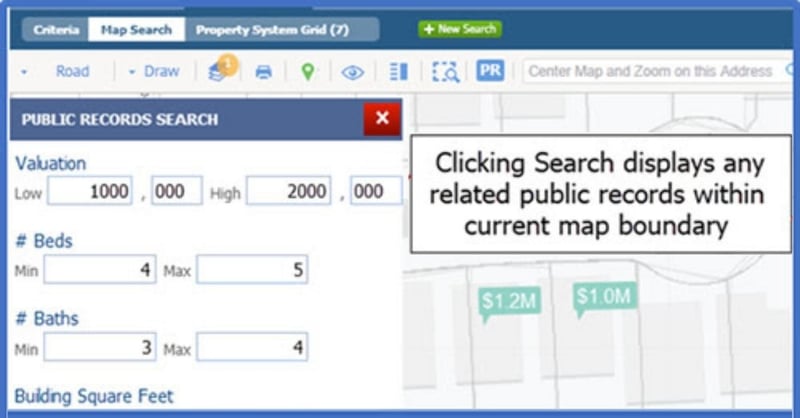
CRMLS paragon search  Learn how to:
  • Create and save basic property searches and detailed map searches
  • Search by Features; including View, Pool, Terms, etc.
  • Print and email reports

Central: Thu, April 11 from 10 AM - 11 AM
Register Here

East: Wed, April 17 from 10 AM - 11 AM
Register Here

South: Tue, April 30 from 10 AM - 11 AM
Register Here


Creating Custom Reports

In this advanced class, you’ll learn how to create dynamic and custom reports using existing MLS reports and spreadsheets. Save them as favorites for quick access or set them as your default.

Central: Thu, April 11 from 11 AM - 12 PM
Register Here

East: Wed, April 17 from 11 AM - 12 PM
Register Here

South: Tue, April 30 from 11 AM - 12 PM
Register Here


ShowingTime

ShowingTime is a tool for online scheduling and management.
  • Learn how to set up showing schedules for your listing.
  • Buyers’ agents can quickly submit a request.
  • Receive showing requests via email, phone call, or text.

Central: Thu, April 11 from 1 PM - 2 PM
Register Here

East: Wed, April 17 from 1 PM - 2 PM
Register Here

South: Tue, April 30 from 1 PM - 2 PM
Register Here


LionDesk Training  LionDesk is a simple, integrated (CRM) tool that helps you manage contacts and automate follow-up. In this class, you will learn:
  • How to collect, route, and follow up on leads
  • How to automate follow-up reminders
  • How to send direct communication to clients, including emails and texts
  • How to integrate with other CRMLS products like Cloud CMA, ShowingTime, and Remine

Central: Thu, April 11 from 1 PM - 2 PM
Register Here

East: Wed, April 17 from 1 PM - 2 PM
Register Here

South: Tue, April 30 from 1 PM - 2 PM
Register Here

Topics: Education

Learn Google Apps, Drive, Calling, Keep, Calendar & Printing

Posted by Paige Campbell on Mar 15, 2019 11:19:09 AM

maximize google appa at tech lunch an learnIf you are a Google user this class is for you! Learn how to maximize all of Google's tools for your benefit. 

What to bring?
Your electronics (laptop, tablet, phone, etc.) and your questions for the Q&A section of the course.

Who can attend?
Any REALTOR® or Affiliate in San Diego County, regardless of whether or not you’re a member of Pacific Southwest Association of REALTORS®.

Wed., March 27, 2019
11:30 AM - 1:00 PM
PSAR East Service Center
1150 Broadway, El Cajon, 92021

Register Here

Cost: FREE with lunch provided by our sponsor
Hosted by the PSAR Tech Committee and Sponsored by Damaris Lopez with Homebridge. 

Topics: Education

CANCELLED: WORKING WITH BUYERS - List & Sell Commercial Investment

Posted by Paige Campbell on Mar 7, 2019 3:58:23 PM

MichaelSimpsonAre you prepared to have the conversation with an investor that leads to a lucrative deal? 

During this 1-day Introductory Course you will learn: 

  • How to Reach Sellers with Massive portfolios without having a single listing
  • How investors make buying decisions
  • How to qualify prospects in 3 minutes or less
  • The 4 most effective systems to get clients
  • How to calculate GRM, CAP, ROI, ROE, Expenses, and Vacancy factors

And much more! In addition, you will earn 7 CEU credits and the opportunity to hear from Founder/Senior Instructor Michael Simpson. 

If you met a commercial investor today and would not know what to say, this course will teach you how to win their business! 

Event Details: Monday, April 15th, 2019
Time: 9 AM - 5 PM | PSAR South Service Center
880 Canarios Ct. Chula Vista, 91910
Cost: $64.97 for Members and Non-Members

 REGISTER HERE 
Space is limited. 

Topics: Education

Discover the why behind Professional Standars - Pro Standards Training

Posted by Paige Campbell on Mar 4, 2019 12:38:56 PM

professional  standardsProfessional Standards Training hosted by PSAR and NSDCAR. 

What will the participants gain?

  • Effectively navigate the Mediation, Arbitration and Ethics Disciplinary Processes. 
  • Understand Arbitration and Mediation.  
  • Learn how the Association enforces the NAR code of ethics.
  • Discover what the Grievance Committee looks for when reviewing complaints.
  • Understand procuring cause in a commission dispute.
  • The role of the Board of Directors in a review hearings

Details of the event: 
APRIL 4TH AND 5TH, 9 AM - 4 PM
PSAR CENTRAL | 4340 GENESEE AVE #203, SD, 92117
LUNCH PROVIDED FOR BOTH DAYS BY PSAR

**Attendees of both days are eligible to join the PSAR/NSDCAR Professional Standards Committee.

  • Hearing panels are selected from the Professional Standards Committee.
  • PSAR new Board Members are required to attend both days.
  • Returning Board Members are required to attend the Friday meeting every 2 years.
  • PSAR New and Existing Grievance Committee members must attend the first day of training.
  • New Professional Standards committee members must attend both days of training.   
  • Existing Professional Standards committee members must attend the Friday training every two years.

 REGISTER HERE 


Topics: Education

PSAR making a difference with granny flat regulations

Posted by Rick Griffin on Mar 1, 2019 5:00:17 PM

Granny flats

Congratulations to members of the PSAR Governmental Affairs Committee. Their recent efforts were rewarded this past week with two major victories before the La Mesa City Council on Feb. 26 and the San Diego County Board of Supervisors on Feb. 27.

On the dockets of both governmental bodies was the hot topic of Accessory Dwelling Units (ADUs) and Junior Accessory Dwelling Units (JADUs), commonly referred to as “granny flats.”

PSAR is in favor of property owners who want to expand the use of their property by building granny flats on lots with existing homes as a way to address the region’s housing supply and affordability crisis.

Granny flat units, typically smaller than standard homes, are second homes built on the same lot as an existing single-family house. Often, these secondary units are constructed by homeowners in backyards or above garages of single-family residences. They can be used for family members or rented out as a source of income for homeowners.

Granny flats also represent perhaps the easiest and quickest way to provide additional affordable housing options to local residents. When it comes to housing that will help all of San Diego, PSAR is in favor of making the ADU regulations more streamlined so homeowners can cut through the thick red tape of processing the construction of new, smaller rental units.

Current state regulations allow granny flats to be up to 1,200 square feet in size. They can be attached to, or built separate from, full-sized homes on the same parcel. They can include kitchens, bathrooms, living areas and private entrances. They cannot be sold as individual homes, but they can be rented out by homeowners or used to provide additional living space for family members, friends, students, the elderly, the disabled or in-home health care providers. Properties must meet all zoning requirements, such as setbacks that meet fire safety and building codes.

Speaking at the recent La Mesa City Council meeting on behalf of PSAR were Robert Calloway, 2019 PSAR President, Rebecca Pollack-Rude, co-chair of the PSAR Governmental Affairs Committee and Tracy Morgan Hollingworth, PSAR’s Government Affairs Director. Before a packed Council chamber, the La Mesa Council members were considering changes to simplify their secondary unit ordinance.

With the approval of PSAR, the La Mesa City Council unanimously adopted on first reading the following ADU guidelines (all of these were recommended by PSAR):

-- Allow ADUs to be built on any property with an existing single-family home or where a single-family home is permitted to be built.

-- Allow ADUs on properties with existing duplexes.

-- Preserve historical resources by requiring ADUs to be behind any historic properties.

-- Allow ADUs to be up to 1,200 square feet, regardless of the size of the primary.

-- No requirements to record covenants on property associated with ADUs.

-- No expensive dedication of right of way improvements for properties investing in ADUs.

-- Streamlined ministerial approval, including in overlays areas that usually require discretionary review.

Robert, Rebecca and Tracy told La Mesa City Council members that ADU development will encourage property owners who want to better utilize their homes in order to provide living quarters to students, seniors and others on fixed incomes who want a decent place to live.

La Mesa’s new set of regulations for granny flats will, in some cases, make the city’s rules more lenient than state requirements. A second reading for La Mesa’s ordinance will be heard March 5 before the new rules will take effect 30 days later.

A second victory this past week occurred at the February 27th Board of Supervisors meeting. The Supervisors were considering similar changes to conform to the state law in order to pave the way for more ADUs. The Board was considering a requirement for their ADU code to require owner occupancy for one of the buildings on a lot, which PSAR was recommending against.

Fortunately, the good news is that the Supervisors decided to remove the owner-occupancy requirement following testimony from PSAR’s Tracy Morgan Hollingworth.

Tracy said both La Mesa and County officials were grateful for PSAR’s assistance and guidance on their ADU policy decisions. In both instances, it was a victory to provide more housing at what could be an affordable price and provide seniors and families additional income to make ends meet from ADU unit rentals.

PSAR will work with both La Mesa and the County to help homeowners know how to process ADU units in local workshops so homeowners can bring their ideas to local government officials and see if their property can accommodate a new ADU.

 “I’m very proud that both government bodies went with our recommendations,” said Robert Calloway, PSAR President. “I don’t know of any other local real estate organization that gave their support to these local jurisdictions.”

“I am proud of be part of PSAR and the role we played with the ADU ordinances,” said Ditas Yamane, co-chair, Governmental Affairs Committee. “ADUs are smart growth tools for providing access to more affordable housing. They’re part of the solution in response to changing households. Removing ADU regulatory barriers is a benefit to our entire community. There is a housing crisis going on and we cannot look away.”

“There is not much build-able land in La Mesa and ADUs are  a good fit to help the housing crisis and keep San Diegans in San Diego and not moving out of the state,” said Rebecca Pollack-Rude, co-chair, Governmental Affairs Committee.  

PSAR members also have worked closely with the City of Chula Vista to reduce ADU fees and streamline their regulations. In January 2019, the County Board of Supervisors voted to waive fees for homeowners building accessory units on their property. Last May, the City of San Diego voted unanimously to slash ADU granny flat building fees by more than 60 percent.

Topics: Education, Industry

UNDERSTANDING CRITICAL CHANGES IN THE TAX CODE: Tax, CPA Seminar

Posted by Paige Campbell on Feb 28, 2019 5:37:16 PM

understanding changes in the tax code 

PSAR's Global Real Estate Council will be hosting a seminar reviewing the changes to the tax code covering How 2019 Changes will affect 2020 Taxes, Changes to the Standard Deduction, Tax-deferred exchanges, Phaseout of Child Tax Credit, Prop 60 and 90, and more.

This seminar will be instructed by Marizel Secuya-De Castro, CMA, CPA and Jordan Z. Marks, Esq, Assessor/Recorder/County Clerk. 

It will be held on Tuesday, March 26th from 10:15 AM - 11:30 AM at our Central Service Center located at 4340 Genesee Ave. #203, San Diego, 92117. 

   REGISTER HERE   


Topics: Education