ROBERT CROMER HONORED FOR LEADERSHIP AS 2020 PSAR PRESIDENT

Posted by Rick Griffin on Feb 5, 2021 4:27:22 PM

We all know that 2020 was a unique and daunting year, led by the world-wide pandemic that touched people and businesses in a myriad of ways. Society as well experienced various forms of upheaval whose impacts are yet to be determined.

The real estate industry was not immune to the influences of 2020, facing its own set of challenges. Fortunately for the membership of PSAR, it was Robert Cromer’s year to serve as PSAR President.

Throughout 2020, Robert maintained a steady hand at the wheel as leader of our association. He brought a measured tone, demonstrated authenticity and inspired teamwork among the PSAR Board of Directors.

2020 PSAR President, Recognized

Recently, several elected officials have recognized Robert for his outstanding leadership and resilient make up while leading PSAR as board President.

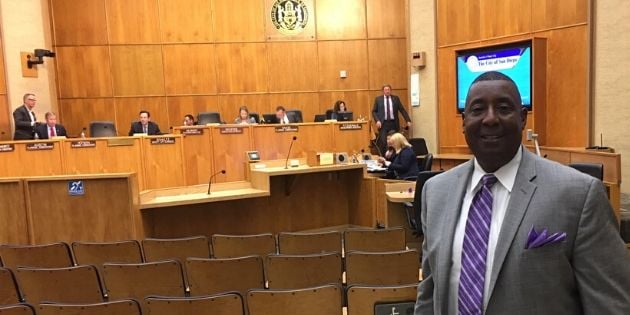
Earlier this week, Robert received a certificate of appreciation from San Diego County Supervisor, District 1, Nora Vargas.

Robert has also drawn noteworthy praise for his recent comment posted on a National Real Estate Masterminds Facebook page. His response to a question about the value of association participation was inciteful and he used great metaphors to help make his point.

________________________________________

In his own words, Robert said the following:

I was on a National Real Estate Masterminds page and someone posted today. “What is the big difference between being a Real Estate Agent and a REALTOR®?” You can imagine some of the negative responses. One person wrote “$800.” Others said “REALTORS® subscribe to a code of ethics.”

Here was my answer: Not being a Realtor is like showing up to a beautifully hosted party at a home without bringing the host a bottle of wine or side dish. Then you eat several plates of food, drink beverages and enjoy everyone’s company without contributing. A person can do that, but it kind of sucks for the host and those who contributed (provided food, cleaned the home before, set up tables, hired the caterer, broke everything down, took the trash out, cleaned up after you, etc.).

NAR and CAR (California) spend millions of dollars fighting for personal property rights and home-ownership, lobbying against laws that would restrict one of the greatest ways to provide security for millions of families and change one’s socioeconomic status-- being a home owner. They have been doing this for many years, before any of us were REALTORS® and when we were just kids.

Now take it one step further and imagine them as your parents, who have always looked after you and your friends. In states that were shut down, they lobbied Congress to make us essential workers, so we could feed our children and so the states’ economies did not fold like bad poker hands. They also made sure we were included in the stimulus package and PPP loans. There are thousands of more examples that smarter people than I on this page can add. Don’t show up to the party without being a contributor. You wouldn’t do that to your parents, would you?

________________________________________

Rich D’Ascoli, PSAR CEO, commented on Robert’s response:

I have devoted the past fifteen years of my life advocating for Realtors. I join hundreds of volunteers in saying this post was inspirational. It moves a lot of people who are involved with, and give so much to, this industry. 

Robert is referring to those who are not REALTORS®. His perspective also applies to those REALTORS® who volunteer versus those who don’t; to those who contribute to the PACs and HAF and those who don’t.  It is critical that individuals look at the history and understand the issues before jumping to conclusions. Just two years ago AB-5 passed requiring that most Californians become employees. The fact that Realtors are not employees right now did not happen by chance. There is a massive organization in place to protect not only homeownership but also the interests of those who facilitate it. There are a few REALTORS® doing so much to help all REALTORS® It’s important to honor and recognize their selfless efforts.

Robert’s words as a REALTOR® are meaningful. I wish more of our leaders would step up and articulate these same ideals.

________________________________________

In addition to recognition from Supervisor Nora Vargas, Robert is receiving honors from other elected officials, including Congressman Juan Vargas, State Senator Ben Hueso and Assemblywoman Lorena Gonzalez.

Some of those officials are preparing a proclamation containing these tributes to Robert:

WHEREAS, Robert Cromer served as 2020 President of the Pacific Southwest Association of Realtors (PSAR), one of the largest real estate trade organizations for San Diego-area REALTORS®;

WHEREAS, Robert provided outstanding leadership and vision during a surreal year of setbacks and hardships when a brutal pandemic swept the globe as the shadow of COVID-19 enveloped the land;

WHEREAS, PSAR thrived and grew its membership during an unparalleled, difficult and challenging year, thanks to Robert’s demonstration of strong leadership and clear communication that relieved anxiety and encouraged strength and resiliency among PSAR members;

WHEREAS, Robert embodied PSAR’s mission to empower REALTORS®, to protect private property rights and create homeownership opportunities for all, while adhering to the highest standards of integrity and the REALTOR® Code of Ethics;

WHEREAS, Robert’s example of leadership and decision making in uncertain times, plus his blend of competence, firmness, calmness and empathy in a crisis, empowered PSAR members to flourish by leveraging a collective strength in service to homebuyers and sellers throughout the greater San Diego County community;

THEREFORE, we hereby join the 3,500 PSAR real estate professionals in thanking Robert Cromer for his tremendous volunteer service and offering our best wishes for a successful real estate career in the future as a past PSAR President. Good luck and best wishes.


 ~Thanks, Robert Cromer, for your service to PSAR. We’re all very grateful.

Topics: Announcements

IN THEIR OWN WORDS: PSAR BOARD LOOKS TO 2021

Posted by Rick Griffin on Jan 29, 2021 4:25:30 PM

PSAR Board Quotes
We turned the calendar a few weeks ago and bid a not-so-fond adieu to what many felt to be one of the worst years in modern history. The year 2020 was a tough year in multiple respects, made worse by the fact that no one could see it coming. During the majority of this surreal year, a brutal pandemic made it appearance, and the shadow of COVID-19 enveloped our state, country and world. We gladly put 2020 in our rearview mirror. With a new year comes a new PSAR Board of Directors.

Here is your PSAR Board of Directors serving during the 2021 calendar year.

Ditas Yamane will serve as 2021 PSAR board president, succeeding Robert Cromer, who will serve as past president. Max Zaker and Sam Calvano will serve in 2021 as president-elect and secretary-treasurer, respectively.

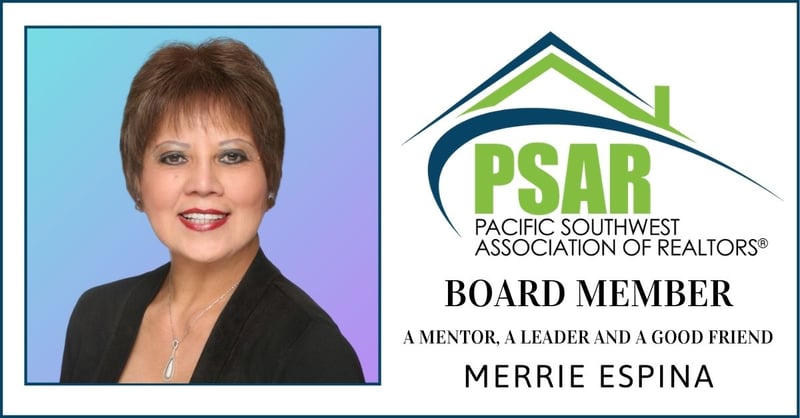
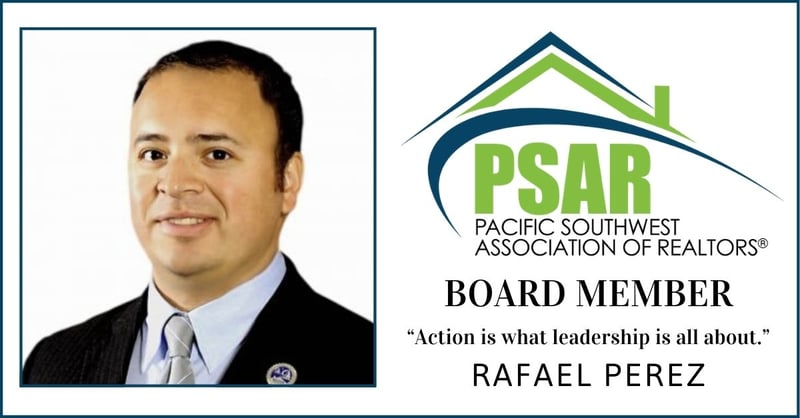
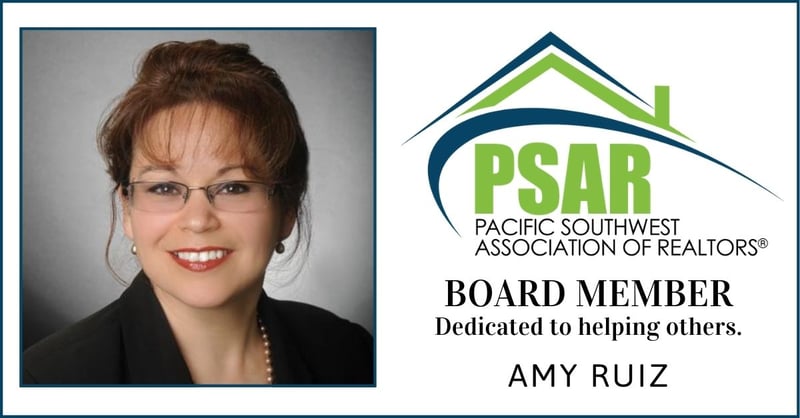
Directors serving on the 2021 PSAR board will include Mike Anderson, Yvonne Cromer, Merrie Espina, Jason Lopez, Laurie MacDonald, Peter Mendiola, Rafael Perez, Amy Ruiz, Amber Tannehill and Mike White. Andrea Martino will serve as the affiliate director.

So, what should PSAR members expect in 2021? How will the 2021 housing market differ from that of 2020? What other differences can we expect in 2021?

To find some answers, we consulted 2021 PSAR board members and asked them to share in their own words 2021 housing market forecasts. You will be happy to note that the overall tone of the comments is positive. Their comments appear below.

-- “The housing market will remain seller-friendly with high buyer demand and relatively low mortgage rates. Slow housing supply will lead to rising housing prices. Home builders are expected to build more residential housing to help increase inventory even while facing higher cost of materials, longer materials delivery, labor skills shortage and especially regulatory cost burdens. With mortgage rates at their lowest, it will, indeed, be a spring frenzy. As resilient real estate professionals, it will be an eventful 2021 for us in the housing market as we continue to serve our clients, the real estate community and our neighborhood community.”
-- Ditas Yamane, 2021 President.

-- “I believe the market will continue to surge in early 2021 to fall or late 2021 due to more demand than supply of homes. If sellers want to sell, spring and early summer will be the optimal times. Even with job losses due to COVID-19, there are hundreds of thousands of millennials finally ready to buy. Why now? Most of them got married later and had kids, the number one reason for buying a home, later than any other generation before them. Because the millennials are the largest generation on the planet, they will continue to push prices up. San Diego is currently building about half as many homes as needed to just to keep up with demand. So if you are a buyer, get in asap so you can partake of the 7-to-10 percent increase we will see in 2021.”
-- Robert Cromer, 2020 President.

-- “Economic predictions are at best an opinion, but understanding the political and economic indicators could help provide some insight into what we can expect in the California housing market in 2021. The cost of money (mortgage interest rate) will remain below 4 percent offering massive financial incentive, especially for first-time homebuyers, and will continue to drive up home prices. Consumer confidence (overall job market and unemployment rate) may force and/or encourage homeowners to sell as we reach the peak in home prices, resulting in more inventory. The sun will continue to shine in California making it a desirable destination in which to live, play and invest in real estate.” 
-- Max Zaker, 2021 President-Elect.

-- “Here is what I foresee: Stable values, stable demand and a slight increase in rates. Vacancy will increase for commercial and residential rental properties, which will stabilize rents.”
-- Sam Calvano, 2021 board secretary-treasurer.

-- “I don't think there's any reason to think the trends in the housing market will change anytime soon. There is still a huge housing shortage, even with so many making the exodus from California. Many first-time buyers, and it appears many move-up buyers, are looking for bigger homes, often in the suburbs further away from downtown areas and job centers. My understanding is that interest rates will remain incredibly low allowing buyers to pay the rising prices often with a lower down payment and still keep their mortgage payments in check. Perhaps we’ll have as much as a 7-to-8 percent increase in values in 2021, although sooner or later prices are going to have to level off. Builders are doing what they can to meet the demand, but they cannot keep up.”
-- Mike Anderson, 2021 board member.

-- 2021 will continue to see a lack of homes for sale. Inventory shortage has been a major issue over the past couple of years and I expect that to continue in the New Year.  Currently we have about a 1 month supply of homes and that is fueling the continued price increases in the San Diego region. So, it will be a great time to consider selling as buyers are willing to pay top dollar. While the lack of inventory can present challenges for buyers and result in increased competition for homes, the historically low interest rates will continue to drive buyer demand and offset the higher prices. When you factor in the pandemic and lockdown, buyers also want some room to move around. Since many people have transitioned to remote work from home, we are seeing many leave the urban setting. After all, if one is working from home there is no need to live close to the office or commute. A good internet connection and great coffee will work just fine!
-- Jason Lopez, 2021 board member.

-- “Many homeowners affected by COVID-19 who either temporarily or permanently lost jobs or unexpectedly have reduced hours and income are on forbearance. Termination of forbearance, while homeowners are still held hostage by inability to catch up, will force sellers to sell or face foreclosure by their lenders. Their inability to qualify for any affordable option to keep their home will create new inventory.  There will be more houses to sell and will lessen the competition among buyers. With increased inventory, home prices will be stable and will allow for affordability again. Interest rates are of enormous importance to virtually everyone. Most borrowers respond to low interest rates, which is a motivation to invest in home purchase.”
-- Merrie Espina, 2021 board member.

-- “My prediction for the future of our housing market in 2021 is that we will continue to see low inventory and higher demand due to low interest rates. I believe that there has never been a better time to invest in real estate and I think that people will be looking for larger homes to accommodate working and schooling from home and more usable outdoor space as well. I also believe that, in addition to building relationships, agents will need to focus on their online and social presence to set themselves apart from the pack as this is going to be a primary resource for both buyers and sellers to identify an agent with whom they wish to work.”
-- Amber Tannehill, 2021 board member.

-- “With every New Year is the opportunity to harness the energy born out of the previous year’s struggles. So, overall, I’m optimistic for 2021, although for real estate I’m expecting more of the same market conditions. My wish for everyone at PSAR is that the New Year bring renewed hope and joy as we continue on our journey one day at a time.”
-- Mike White, 2021 board member.

With more than 3,500 members, PSAR is, one of the San Diego County’s largest real estate trade groups for San Diego-area REALTORS®. Services to REALTORS® include California Regional MLS services, educational training classes, advocacy and resources for realtors, including lock boxes and signage.

Topics: Announcements

JOYCE EVANS TO RETIRE AFTER 13 YEARS AT PSAR

Posted by Rick Griffin on Jan 22, 2021 4:49:22 PM

Joyce Evans Retiring
After 13 years of serving PSAR members as a loyal and dedicated PSAR employee, Joyce Evans is retiring. Her final day is Friday, January 29. She started her career with PSAR on January 7, 2008.

Joyce Evens Working all areas of PSAR

Over course of her career with PSAR, Joyce has served in a number of capacities, including communications coordinator marketing manager (which included graphic design, marketing, advertising) member services (onboarding new and transferred members, resolving a range of member issues), new member orientation coordinator, and retail sales. When PSAR published a bimonthly magazine, Joyce was the designer.

Outside of the real estate industry, Joyce, who has lived in San Diego since 1982, has brought her considerable skills and work ethic to bear in a number of different industries, including academic, landscaping, printing, building maintenance, and coal-powered energy. In all instances, she held marketing and graphic design positions. Joyce has a bachelor’s degree in art from California State University Northridge. A notable achievement of hers occurred when she was on the design team of McQuiston & Partners, that created 13 coffee table books that were published between 1989 and 1993 and resulted in Joyce being the recipient of several design awards.)

During the past two of years at PSAR, Joyce has served as the PSAR education manager, overseeing scheduling and organizing training classes and a variety of seminars, both on site and virtual.

Before she departs, all PSAR members are invited to send Joyce an email with their thoughts to joyce@psar.org, or mail a card to 880 Canarios Ct., Chula Vista, CA 91910.

Joyce and Rich D’Ascoli, PSAR CEO, recently spent some time together discussing the highlights of her illustrious career at PSAR. The recording is available on Facebook, where well-wishers comments also can be posted.

 _________________________________________

Joyce Evans and Co-Workers

Rich: We are really going to miss you, Joyce. You’re known as one of the most beloved and kind and respected members of the staff. You reflect the essence of our association, our staff’s willingness to go the extra mile to help our members, and empathy for any problems a member may be facing. You really are able to feel their pain.

Joyce: Thank you, Rich. You get the credit for forming an excellent group of employees who really work well together as a team. I will miss the camaraderie, the way we encourage each other and the friendships and relationships with members. Every PSAR employee works extremely hard. I’m not kidding when I say it can be a tough job on some days and it’s not easy to display a good disposition. We all wear a lot of different hats. But, I thank the Lord Jesus Christ for teaching me that everybody needs to be loved and no one is less of a person than anybody else. I will miss some of our members dropping by the office simply to give hugs to the staff. Our members are some of the greatest people on this planet.

 _________________________________________

Rich: Why did you decide to retire?

Joyce Evans and Husband GordonJoyce: Well, I believe it’s a good time to move on to other things. The timing is right. My husband Gordon and I plan to do some camping and visiting friends over the next couple of months. I’m hoping to get the vaccine before I leave. However, I’m not really retiring. I’m hoping to take my real estate sales license exam next month and begin a new line of work as a REALTOR®. It’s sorta funny that here I am, at 69 years of age, ready to start something new. Hey, after I get my license and sign-up with PSAR, I will know how to complete the paperwork. 

 _________________________________________

Rich: What are some memories of your time at PSAR? I always appreciated your efforts to speak Spanish with our Spanish-speaking members. We always joked together that you reminded me of my annoying sister.

Joyce: And you, Rich, reminded me of “mi hermanito es irritante.” Thankfully, I took Spanish in high school and college. But, seriously, I enjoyed brainstorming with you about marketing strategies. Also, when PSAR was down to only three employees during the recessionary years in 2008 and 2009, you hosted after-work tailgating in the parking just to talk, tell jokes and encourage each other during those tough times. And, I will always be grateful, Rich, for how you emphasized to the staff to learn and use the latest technology to improve our service to our members. You were patient with the learning curve and never afraid for us to try new things. I appreciated the opportunity to be on the cutting edge of technology. So, when COVID and the lockdowns hit us, we hardly missed a beat with continuous remote service to our members during probably one of the toughest years ever for the real estate profession. Fortunately, there are many technology tools that REALTORS® can use to make their jobs easier. I have many good memories of my time at PSAR.

Joyce 4                              ____________________

Rich: So, what are we going to say when people call PSAR and ask for you? Some of our 3,500 members only want to talk to you. I’m just joking, but can I give them your home phone number? 

Joyce: Instead, just tell them to send me an email and then I’ll call them back in a couple of months.


Topics: Announcements

San Diego Tax Accessor Educates on Benefits of PROP. 19

Posted by Rick Griffin on Jan 8, 2021 5:05:56 PM

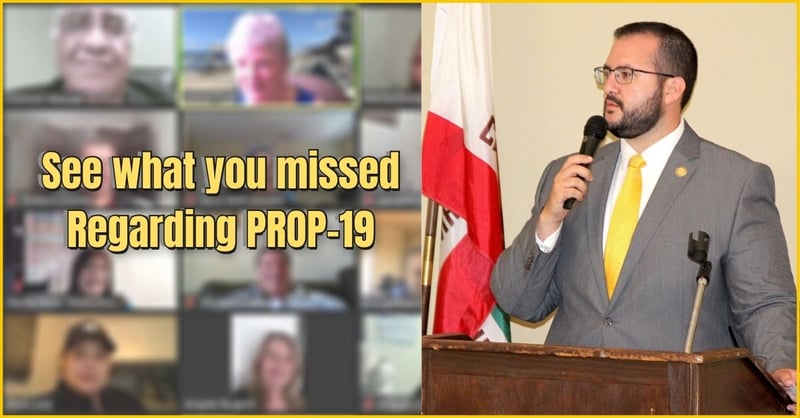
More than 100 PSAR members learned more about property tax benefits available to clients of REALTORS® from Proposition 19 during a Zoom meeting earlier this week with Taxpayer Advocate Jordan Marks of the San Diego County Accessor-Recorder-County Clerk (ARCC) Office.

Recorded Video of the Presentation


Attachments from the presentation:

Prop. 19, approved by California voters in the recent November general election, offers significant benefits to homeowners and sellers. The ballot measure was endorsed by the California Association of REALTORS® (C.A.R.) and other business and community organizations because it will spur housing economic recovery.

Simply put, Prop. 19 expands the affordable housing tools by allowing senior homeowners over 55 years old, people with severe disabilities and victims of natural disasters or wildfires to keep their low tax base and move or rebuild anywhere statewide.

In addition, Prop. 19 addressed a tax loophole allowing families to pass their homes and affordable tax bases to their children, but no longer allowing them to be used for a commercial purpose.

However, Marks told PSAR members that it’s important to remember that some rules relating to Prop. 19 will change on Feb. 15 and April 1.

Before Feb. 15, in the case of transferring home ownership from parent to child or grandparent to grandchild, the law allows for unlimited transfer of assessed value on a primary resident with no requirement to live in the property and up to $1 million of assessed value on all non-primary residential properties.

After Feb. 15, the law changes with a limit of $1 million transfer of assessed value on a primary resident, plus a requirement to live in the property and no transfer of assessed value on any property not a primary resident.

Before April 1, for relocating homeowners over 55 years old, the current rules limit the senior exclusion from property tax reassessment to one time plus a requirement to live in the property.

After April 1, the senior exclusion from property tax assessment can be claimed for three times for any property in the state (but unlimited times for those whose homes were destroyed or substantially damaged by a wildfire or natural disaster). Filing for the exclusion must occur within two years from the date of the sale or purchase.Jordan Marks speaking on PROP 19

Marks, a longtime PSAR member, welcomes “Our office is here to be of service to PSAR members,” said Marks. “We’re here to serve your needs as a partner. We don’t close until you do, and you have our commitment to help you in your business.” calls and emails from PSAR members.

He can be reached at  Jordan.Marks@sdcounty.ca.gov. For emergency assistance you can reach Jordan on his cell phone is (619) 372-0226.The website for the ARCC office is www.SDARCC.com.


Topics: Brokers/Managers, Market Information, Industry

LANDLORDS, TENANTS CAN BENEFIT FROM RENTAL RELIEF RESOURCES

Posted by Rick Griffin on Dec 29, 2020 12:58:45 PM

RENTAL RELIEF RESOURCES

Landlords and tenants alike have been hit hard with economic challenges resulting from the Covid-19 pandemic. Fortunately, several local cities and nonprofits who administer federal government programs on behalf of cities, have made rental assistance resources available to both landlords and tenants who have suffered Coved-related economic losses. PSAR members active in their communities should be aware of these following landlord/tenant resources:San Diego-- In San Diego, With funding from the federal government, the San Diego Housing Commission (SDHC) helps more than 16,000 households with low income pay their rent in the City of San Diego. Through this rental assistance program, SDHC made payments totaling more than $166 million to more than 5,800 participating landlords on behalf of low-income families during Fiscal Year 2020 (July 1, 2019 – June 30, 2020).

In 2019, SDHC expanded its focus on landlord outreach and engagement with the creation of the Landlord Services Unit. This unit is composed of seven specialized staff who provide quality customer service to landlords and tenants participating in the Section 8 Housing Choice Voucher rental assistance program. For more details about SDHC rental assistance resources for properties located within the City of San Diego, contact SDHC, www.sdhc.org or call 619-578-7131.

The San Diego Housing Commission (SDHC)

The SDHC Landlord Services Unit manages the agencies Landlord Partnership Program (LPP), which provides financial and support incentives to landlords who rent to families who receive federal rental assistance through the Section 8 Housing Choice Voucher program within the San Diego city limits (92037 and ZIP codes that begin with “921”, except for 92118). Landlords who participate in the LPP may be eligible to receive up to $500 for each rental unit rented to a Section 8 household and up to $3,000 to help cover repair expenses in excess of normal wear and tear and rent due that exceeds the security deposit following tenant move-out. For more information about LPP, please visit https://www.sdhc.org/doing-business-with-us/landlords/landlord-partnership-program/

SDHC’s services to landlords include consistent and on-time rent payment, access to an online landlord portal, and enhanced customer service.

national City

-- In National City, South Bay Community Services (SBCS) launched a tenant-based rental assistance program in National City. The City of National City has reached out to PSAR seeking assistance in contacting property managers and management companies who have tenants with past due rent.

SBCS is now accepting applications for a COVID-19 Tenant Based Rental Assistance Program funded by the City of National City. This program will assist low-income families in who have suffered a loss in income or are unable to pay their past due rent because of Covid-related financial issues. You can help by notifying tenants that this rental assistance is available. Applications can be found at https://southbaycommunityservices.org/national-city-rental-assistance/. Application assistance is available in person at the National City Family Resource Center (304 W. 18th Street, National City), at  rentalassistance@csbcs.org, or by phone: (619) 336-8360
Chula Vista-- In Chula Vista, the city is developing its long-term strategic plan for housing and determining housing dollars usage, according to the city website. Earlier this year, the  Chula Vista City Council enacted a temporary eviction moratorium in response to Covid-19. The city’s moratorium, which provided eviction protection for residents and commercial tenants, was superseded and replaced with AB 3088, known as “The Tenant, Homeowner and Small Landlord Relief and Stabilization Act of 2020.” The law signed by Gov. Newsom on Aug. 31, protects renters, homeowners and small landlords through January 2021.

Chula Vista used a portion of the $3.3 million it received from the CARES Act to lend financial support to South Bay Community Services (SBCS), who assists residents with rent payments. An additional CARES Act allotment arrived Nov. 1, allowing SBCS to accept additional applications for rental assistance from those suffering economically from Covid-19 effects.El Cajon-- In El Cajon, several nonprofits who have contracts with the city are assisting El Cajon residents with rent payments. The nonprofits include Home Start (619-430-0032), Interfaith Shelter Network (619-702-5399) CSA San Diego County (619-444-5700). Earlier this year, the El Cajon City Council allocated $800,000 in special block grant funding to those impacted financially by the Covid pandemic.la Mesa-- In La Mesa, Home Start is overseeing a Rental Assistance Program. Applicants may qualify for up to three months of past-due rent assistance for those who have experienced job loss and/or other Covid-related financial challenges. Earlier this year, the La Mesa City Council approved $1.8 million in Coronavirus Aid Relief and Economic Security Act funding to businesses and residents. A portion of that money, roughly $600,000, was allocated to rental assistance to help people avoid eviction and homelessness. 
lemon Gove-- In Lemon Grove, Home Start is supporting the city’s rental assistance efforts. The Lemon Grove City Council allocated $100,000 of $162,371 in Federal Coronavirus Aid, Relief, and Economic Security Act funds to Home Start to help individuals needing hotel vouchers, transportation, reunification efforts and emergency items such as food, blankets and diapers. Funds are also available to those who need rental and utility assistance.

_______________________

SouthBay community Services                        Home-Start

Topics: Brokers/Managers, Market Information

PSAR’S EDITION OF `TWAS THE NIGHT BEFORE CHRISTMAS

Posted by Rick Griffin on Dec 24, 2020 10:00:00 AM

Wishing you Happy Holidays from PSAR.

‘Twas the night before Christmas, and all through the house,
not this REALTOR® was working, not even my spouse.
The escrows had closed, the documents signed with extreme care,
and commission checks had been deposited without a second to spare.

The “For Sales” signs and brochures were nestled in the back of my shed,
while visions of day spa visits danced in my head.
I was chill-laxin’ in my PJs after finishing my favorite Starbucks frap,
preparing my brain for a long winter’s nap.

The wintertime moon was bright in its glow,
illuminating only a couple of lockboxes below.
When all of a sudden, my wondering eyes saw a new text,
another local REALTOR®’s name appeared and you won’t believe what happened next.

The text message was lively and brief,
it told of an all cash-offer that was way beyond belief.
More rapid than eagles my thoughts raced through my mind,
this amazing offer was one of a kind.

No contingencies, no home inspection, not even an appraiser,
How grateful I was, how the buyers did me a favor.
Before I knew it, my cell phone began to ring,
I sprung from my couch and my heart began to sing.

I leaped in my car and drove to the meeting,
but I first brushed my teeth since holiday treats I had been eating.
From the top of the porch to the retaining wall,
this property met all Covid-protocol, thanks to lots of Lysol.

The documents were many, measuring from my head to my foot,
there were certainly enough of them to cause a cardiac caput.
But I knew exactly what to do, how to anticipate any impasses,
because I had attended many PSAR educational classes.

Now Paragon, now LionDesk, giddy-up HomeSnap, Matrix and CRMLS,
just one more transaction to close, now won’t it be bliss.
The transaction closed so easy and quick,
I knew in a moment it must be because of St. Nick.

The buyers sprung to the front door, now they were living the dream,
For REALTORS®, it’s always a joy to see homebuyers’ faces beam.
And I heard them exclaim, as they smiled with delight,
“Merry Christmas to all, and to all a good night.”

Topics: Market Information, Marketing

November Home Sales Statewide Highest in 15 years

Posted by Rick Griffin on Dec 18, 2020 4:15:00 PM

Voice of Real Estate - November

California’s housing market remained red hot in November 2020 with statewide home sales reaching the highest level in 15 years. Record-low mortgage rates and flexibility to work from home has driven home-buying interest to levels not seen since the last decade, according to the California Association of REALTORS® (C.A.R.).

November 2020’s statewide sales total broke the 500,000-units benchmark for the first time since January 2009.

Closed escrow sales of existing, single-family detached homes in California totaled a seasonally adjusted annualized rate of 508,820 for November 2020. It was an increase of 5 percent from 484,510 homes in October, and 26.3 percent higher from November 2019, when 402,880 homes were sold.

The year-over-year, double-digit home sales gain recorded in November was the fourth consecutive month and the largest increase over a year’s time since May 2009.

Meanwhile, California’s median home price for November 2020 dipped slightly after breaking the $700,000 benchmark over the past three months. The statewide median price dropped to $699,000 in November 2020, down 1.7 percent from $711,300 in October 2020.

However, home prices continued to gain on a year-over-year basis with the statewide median price surging 18.5 percent from $589,770 recorded in November 2019. The double-digit increase from 2019 was the fourth month in a row and the highest 12-month gain since February 2014. The gain was also higher than the six-month average of 9.7 percent observed between May 2020 and October 2020. 

November 2020 County Sales and Price Activity
(Regional and condo sales data not seasonally adjusted)
November 2020 County Sales and Price Activity

In San Diego County, November 2020 home sales decreased 7.8 percent, compared to October 2020, but increased 23.2 percent higher than in November 2019.

Similarly, the median home price for a single-family home in San Diego County dropped slightly in November 2020 to $740,000, a 1.2 percent decrease from October 2020’s figure of $749,000, but a 12.3 percent increase from November 2019’s figure of $659,000.

“Home-buying interest is at levels that we have not seen for years, setting the stage for a stronger-than-expected comeback that fully recovered all the sales that the market lost in the first half of the year due to the pandemic,” said 2021 C.A.R. President Dave Walsh, vice president and manager of the Compass San Jose office. “Housing supply remains an issue, however, as we will likely to see a shortage of homes for sale in the near term, which will put upward pressure on prices and dampen affordability for those who haven’t been able to take advantage of low rates.”

“California’s housing market continues to be the bright spot in the economy, but the direction and pace of the recovery will hinge on the coronavirus pandemic and the distribution of the vaccine in the coming months,” said C.A.R. Senior Vice President and Chief Economist Leslie Appleton-Young. “The rise in COVID-19 cases and tighter constraints on economic activity recently imposed will likely have implications for the housing market as renters and homeowners face adverse impacts to their incomes, which is why Congress should pass additional relief for renters, homeowners, and workers as soon as possible.”

Perhaps due to rising cases of the Coronavirus, fewer consumers said it is a good time to sell in December, according to C.A.R.’s monthly Consumer Housing Sentiment Index. Conducted in earlier this month, the poll found that 55 percent of consumers said it is a good time to sell, down from 59 percent a month ago, but up from 51 percent a year ago. Meanwhile, low interest rates continue to fuel the optimism for homebuying; just over one-fourth (27 percent) of the consumers who responded to the poll believed that now is a good time to buy a home, up from last year, when 24 percent said it was a good time to buy a home.

Even with low inventory levels, the coronavirus pandemic has increased the demand for spacious, multi-functional homes as more homeowner families are dealing with homebound distance learning for school and working remotely for the job.

Other key points from C.A.R.’s November 2020 resale housing report included:

-- Home sales from a regional perspective continued to increase in November 2020 by double-digits in year-over-year comparisons for most California regions. The San Francisco Bay Area had the highest gain of 34.4 percent over last year, followed by the Central Coast (33.4 percent), Southern California (19.1 percent) and the Central Valley (18.3 percent).

-- Median home prices from a regional perspective also posted double-digit increases in November 2020 in year-over-year comparisons. The San Francisco Bay Area median price remained at its record high in November, rising 18.9 percent from last year. The Central Coast region had the second largest median price increase at 18.7 percent, followed by the Central Valley (17.6 percent), Southern California (14.4 percent), and the Far North (13.6 percent).

-- With a resurgence in Covid-19 cases in recent weeks and the market entering the traditional holiday season, active listings declined from the prior month as expected, contributing to a substantial decline in inventory. Active listings fell 46.6 percent from last year and continued to drop more than 40 percent on a year-over-year basis for the sixth straight month.

-- The unsold inventory of available homes for sale fell sharply from 3.1 months in November 2019 to 1.9 months in November 2020. Statewide inventory in October 2020 was 2.0 months. Inventory levels measured in months refers to the number it would take for the current supply of available homes on the market to sell-out given the current rate of sales.

November 2020 County Unsold Inventory and Days on Market
(Regional and condo sales data not seasonally adjusted)
November 2020 County Unsold Inventory and Days on Market

-- In San Diego County, the inventory of available homes for sale in November 2020 was 1.6 months, compared to 1.8 months in October 2020 and 2.7 months in November 2019.

-- Active listings in all major California regions continued to decline in November 2020 in year-over-year comparisons. The Central Valley had the biggest year-over-year drop of 53.3 percent in November, followed by Southern California (49.0 percent), Central Coast (-46.3 percent), Far North (-40.1 percent), and the San Francisco Bay Area (-18.7 percent).

-- The median number of days it took to sell a California single-family home was nine days in November 2020, compared to 10 days in October 2020, 11 days in September 2020 and 25 days in November 2019. The nine-day November 2020 figure was the lowest ever recorded.

-- In San Diego County, the median number of days an existing, single-family home remained unsold on the market was seven days in November 2020, which was the same number in October 2020 and September 2020. The timeframe a year ago in November 2019 was 17 days. The November 2020 seven-day figure compares to eight days in August 2020, 10 days in July 2020, 12 days in June 2020, 11 days in May 2020, eight days in April 2020, 10 days in March 2020, 12 days in February 2020 and 23 days in January 2020.

-- The housing market in California’s mountain resort areas has generally outperformed the state during 2020’s first 11 months due to increased demand in second homes and vacation homes, as available supply continues to decline. In a comparison of home sales between November 2020 and November 2019, Mammoth Lakes saw a 400 percent increase, followed by South Lake Tahoe (81.4 percent), Big Bear (73.9 percent) and Lake Arrowhead (58.1 percent). Similarly, median home prices jumped in Big Bear by 40.8 percent from last year, followed by South Lake Tahoe (39.6 percent) and Lake Arrowhead (32.0 percent). In contrast, home prices declined by 2.5 percent Mammoth Lakes in November 2020, compared to 2019.

-- The 30-year, fixed-mortgage interest rate averaged 2.77 percent in November, down from 3.70 percent in November 2019, according to Freddie Mac. The five-year, adjustable mortgage interest rate was an average of 3.0 percent, compared to 3.41 percent in November 2019.

In other recent real estate and economic news, according to news reports:

-- The average rate for a 30-year, fixed-rate mortgage continued to plummet, dropping to 2.67 percent in the second week of December. It was the lowest rate since Freddie Mac began tracking the data in 1971. A year ago at this time, it averaged 3.73 percent.

-- Mortgage applications increased 1.1 percent for the week ending Dec. 11, according to the Mortgage Bankers Association’s week-over-week comparison report. Refinance applications also increased 1 percent during the same week and 105 percent in a year-over-year comparison.

-- CoreLogic said San Diego County median home price in November remained unchanged from October and September at $650,000, which is 9.3 percent higher than a year ago. It was the second consecutive time for no monthly price increase since May. The price represents all homes, including single-family, condos and townhomes.

-- A group of top real estate economists speaking at a forecast forum hosted by the National Association of Real Estate Editors recently predicted that home prices will continue to rise in 2021 fueled by low mortgage interest rates and lack of homes for sale.

-- Californians are pessimistic about their economic future with 73 percent of survey respondents in San Diego and Orange counties anticipating bad financial times during the next 12 months, according to a report released in early December by the Public Policy Institute of California. The survey of 2,325 Californians conducted after the November election showed the statewide average of pessimism at 68 percent.

-- Realtor.com is predicting prices for existing single-family homes will continue to climb in 2021, making affordability a continued problem. San Diego is projected for an 11.3 percent year-over-year increase in existing home sales and a 5.5 percent rise in home prices. Realtor.com also expects mortgage rates to climb from 3 percent at the beginning of 2021 to 3.4 percent by year’s end. Realtor.com admits there are numerous wildcards that could shake up the housing market, including what happens with Covid-19 vaccines or more government-imposed shutdowns.

-- Rental applications in San Diego County were lower by about 7 percent for the third quarter in a year-over-year comparison as many grown children moved back in with their parents, or doubled up in apartments to make their dollars go further, according to the data firm Rent Café. The report said in 18 of the 30 largest U.S. cities, including San Diego, more renters left than moved into rental properties. The firm also said apartment rents decreased in 2020 in the nation’s top 10 most expensive cities.

Topics: Brokers/Managers, Market Information

MORE HOUSING OPTIONS, TAX RELIEF, ARE BENEFITS OF PROP. 19

Posted by Rick Griffin on Dec 11, 2020 4:36:18 PM

Benefits of Prop. 19

All PSAR members should be aware of the significant benefits available to homeowners as a result of the recent passage of Proposition 19 in the November general election.

Approved by California voters by a 51.1 percent to 48.9 percent margin, Prop. 19 is considered by many as a landmark property tax exemption law that is now part of the California constitution. Thanks to more than 8.5 million voters who marked their ballots “yes” for Prop. 19, homeowners will be able to take advantage of tax relief while providing much-needed revenue for schools, fire districts, cities and counties as they face budget shortfalls due to the harmful economic impact of Covid-19.

Prop. 19 was endorsed by C.A.R. and many others because it will spur housing economic recovery.

Prop. 19 limits property tax increases on primary residences for family transfers, homeowners over 55 years old, people with severe disabilities and victims of natural disasters or wildfires by removing unfair location and price restrictions.

Prop. 19 also limits property tax increases on family homes used as a primary residence by protecting the right of parents and grandparents to pass on their family home to their children and grandchildren for continued use as a primary residence.

Overall, Prop. 19 will open up tens of thousands of housing opportunities, making homes more readily available for first-time homeowners, families and Californians throughout the state.

There are two major benefits of Prop. 19, both dealing with what’s called “tax basis portability,” which means homeowners can enjoy an exemption from a reassessment of property taxes when they move to a new residence.

New Rules for Homeowners Over 55 Years of Age

With the passage of Prop. 19, a homeowner who is over 55 years of age, severely disabled or whose home has been substantially damaged by wildfire or natural disaster may transfer the taxable value of their primary residence to a replacement primary residence anywhere in the state within two years of the sale and up to three times, regardless of the value of the replacement primary residence.

According to the California Association of REALTORS® (C.A.R.), Prop.19 makes three significant changes to the portability of one’s tax basis from the sale of a principal residence to a replacement principal residence.

First, Prop. 19 allows a seller of a principal residence to transfer the tax basis of that principal residence to the purchase of a replacement principal residence anywhere in the State of California. Under prior law, the seller was limited to transfers either within the same county (under Proposition 60) or between a limited number of counties that specifically permitted such taxable value transfers (under Proposition 90).

Second, Prop. 19 allows the transfer of the tax basis of the sold principal residence to the replacement principal residence regardless of value with certain adjustments to the tax basis if the replacement principal property is of “greater value” than the sold principal residence. Under prior law, only transfers of “equal or lesser value” were eligible for the exemption.

Third, Prop.19 permits such transfers up to three times (but unlimited for those whose homes were destroyed or substantially damaged by fire). Prior law allowed such transfers only one time

There still remains some questions about the timing of tax benefits under Prop. 19 applying to transactions and sales before April 1, 2021.

According a statement from C.A.R., “Although we believe that the tax benefits under Proposition 19 apply to transactions where either the sale or purchase of a primary residence takes place before April 1, 2021, as long as the subsequent sale or purchase takes place within two years and on or after April 1, 2021, others have taken the position that both the sale and purchase must occur on or after April 1, 2021. C.A.R. will seek official clarification of this issue.”

New Rules on Intergenerational Family Transfers After Feb. 1, 2020

Prop. 19 also changes the rules on exemptions from reassessment for intergenerational transfers by limiting the exemption to the transfer of a primary residence to a child (or grandchild) only when the property continues to be used as a family home by the child (or grandchild). However, if the divergence between the taxable value and the actual value is too great, a partial increase in the new taxable value will be imposed.

Prop. 19 also includes provisions that would allow the transfer of a family farm to retain its taxable value.

These new rules apply to any purchase or transfer beginning Feb. 16, 2021.

Here are a few questions-and-answers relating to intergenerational family transfers and family farms:

Q: If I pass my principal residence on to my children or grandchildren, will the property be reassessed?

A: So long as the property continues to be used as a family home (primary residence), and the transferee claims the homeowner exemption, the property tax basis will remain the same, subject to some upward adjustments if the property value, at the time of transfer, is more than $1M over the original tax basis.

____________________________

Q: If the property is transferred to a child or grandchild and used as a family home, what will the new tax basis be if at the time of transfer the property value is less than $1M over the original tax basis?

A: The new tax basis will remain the same as the original tax basis. For example, if the original tax basis was, let's say, $500,000, and at the time of transfer the property is valued at $1.2 M, then the tax basis will remain at $500,000. This is because $1.2M is not more than $1M over the original taxable basis.

____________________________

Q: How are family farms included in Proposition 19?

A: Family farms have the same exemptions as family homes (principal residences). “Family Farm” means any real property under cultivation or which is being used for pasture, or grazing, or that is used to produce any agricultural commodity. It does not require the transferee to live in the property as a principal residence.

PSAR members who have additional questions about the benefits of Prop. 19 are encouraged to contact either C.A.R. or the office of San Diego County Assessor-Recorder-County Clerk (ARCC) Ernest J. Dronenburg, Jr. The ARCC office oversees assessing the value of real estate and personal property (property taxes constitute the largest share of revenue for the county). The office also involves registering business names and issuing marriage licenses, birth and death certificates. 

For assistance from the Assessor’s office please contact Taxpayer Advocate Jordan Marks. Jordan is a PSAR member and welcomes calls and emails from PSAR members. He can be reached at Jordan.Marks@sdcounty.ca.gov. For emergency assistance you can reach Jordan on his cell phone is (619) 372-0226.The website for the ARCC office is www.SDARCC.com.


Topics: Brokers/Managers, Market Information

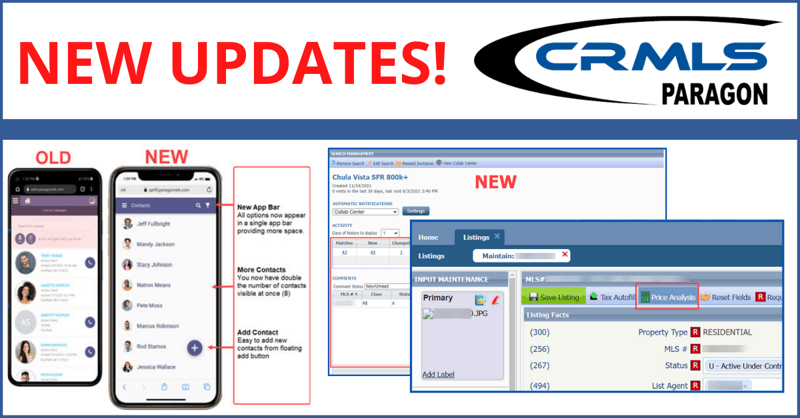
A few Key Videos To Get Paragon MLS working right

Posted by PSAR Communication on Dec 10, 2020 1:50:50 PM

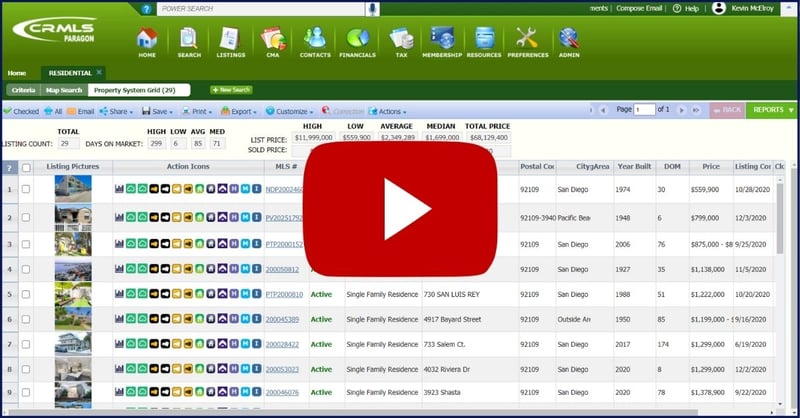
Step-by-Step Paragon Instructional & Quick Fix Videos for CRMLS Paragon (CRP) in San Diego County

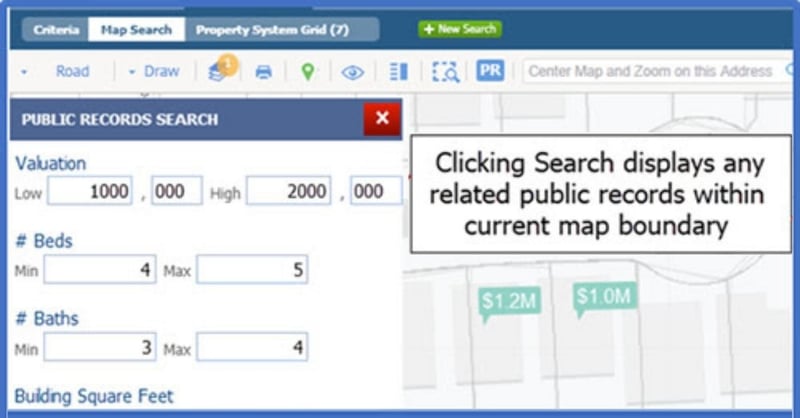
Walk through the most important steps in setting up and using various CRMLS Paragon features. The Paragon Upgrade Resources page, hosted by CRMLS, also is loaded with information that will help you better perform day to day tasks as well as grow your business.

Issues?  CRMLS will address individual concerns via customer support. support@crmls.org. Please call or submit a trouble ticket if you experience  feature or function difficulties.  Submitting a ticket could surface a widespread problem and result in the resolution of it for all users.

Finding Documents for SDMLS Listings In CRMLS Paragon (CRP)
There is a glitch with Chrome.  Either use Firefox or follow these easy steps.

Search for Leased Property

Search for View Properties

Updating the Preference Wizard Will Fix Many Issues


Updating The Collab Center Preferences Wizard


Updating The CRMLS CMA Preference Wizard


Setting Up The Market Monitor


Results Options and Custom Exports


How To Edit A Saved Search


Creating A Custom Search Template


Check out our PSAR YouTube channel for more videos.

Topics: CRMLS, Technology

PSAR COMMENTS ON DOJ, NAR SETTLEMENT ON ALLEGED ANTITRUST VIOLATIONS

Posted by Rick Griffin on Dec 4, 2020 4:01:46 PM

Department of Justice News

You may have seen the recent headlines about the U.S. Department of Justice (DOJ) having filed an antitrust lawsuit alleging the National Association of REALTORS® (NAR) maintained illegal, anticompetitive restraints on REALTOR® competition, including business practices and policies that prohibited multiple-listing services from disclosing commissions for buyers’ agents to prospective buyers.

The Justice Department accused NAR, the real estate industry’s largest trade group with more than 1.4 million members and 1,400 local associations, with restraining free trade under the Sherman Act, thus creating an environment in which there was little visibility for homebuyers to learn about the commission a buyer’s agent would earn.

This announced action sounds alarming.

However, with a look past the headlines, you will see that the current settlement between the DOJ and NAR, which was announced at the same time as the antitrust complaint filing, means that future outcomes are expected to trend positive for our real estate profession.

According to NAR, who maintained that there was no wrongdoing committed, the settlement requires the following changes in the way in which REALTORS® compete:

 #1. Public display of buyer broker compensation.
“The amount of compensation offered to a buyer’s agent for each MLS listing will be made publicly available. Publicly accessible MLS data feeds will include offers of compensation, and buyers' agents will have an affirmative obligation to provide such information to their clients for homes of interest.”

#2. Consumer access to all properties that fit their criteria.
“MLSs and brokerages, as always, must provide consumers all properties that fit their criteria regardless of compensation offered or the name of the listing brokerage.”

#3. Forbidding buyers’ agents from representing services as “free.”
“While NAR has long encouraged buyers' agents to explain how they expect to be paid, typically through offers of cooperative compensation from sellers' agents, there will be a rule that more definitively states that buyers' agents cannot represent that their services are free to clients.”

#4. Lockboxes and licensed agents.
“With the seller's prior approval, a licensed real estate agent will have access to the lockboxes of properties listed on an MLS even if the agent does not subscribe to the MLS.”

“For the most part, these changes more explicitly state what already is in the spirit and intent of the NAR Code of Ethics and MLS policies regarding providing information about commissions and MLS participation,” said Robert Cromer, 2020 PSAR President. “PSAR has long sought to ensure fairness, transparency and a competitive real estate market for home buyers and sellers. We have always been committed to an MLS system that puts consumers first and benefits homebuyers, sellers and brokerages.”

According to a statement from Makan Delrahim, Assistant Attorney General of the Justice Department’s Antitrust Division, “Buying a home is one of life’s biggest and most important financial decisions. Home buyers and sellers should be aware of all the broker fees they are paying. Today’s settlement prevents traditional brokers from impeding competition, including by internet-based methods of home buying and selling, by providing greater transparency to consumers about broker fees. This will increase price competition among brokers and lead to better quality of services for American home buyers and sellers.”

The California Regional Multiple Listing Service (CRMLS) said in a statement, “CRMLS plans to fully comply with the terms of this government-mandated agreement, once finalized. Visit www.go.CRMLS.org/NewRules to keep up to date on how CRMLS will implement these rules.”

Inman News Service posted recent news articles covering possible disruptive consequences from the DOJ lawsuit and proposed settlement. These consequences include:

-- Commissions may be squeezed since consumers will have more visibility into options when choosing which real estate brokerage or agent with whom to work.

-- MLSs can no longer hide commission rates.

-- REALTORS® will not be allowed to set a filter in the MLS for homes for potential buyers based on commission levels.

-- Buyers’ agents cannot make misrepresented statements, for example, “My services are free” (because they aren’t free if the seller pays the commission).

-- A licensed agent cannot be denied lockbox access on the basis of not being an MLS member.

The DOJ-NAR settlement is not yet final as the DOJ is still receiving public input. A DOJ statement said comments regarding the proposed final judgment may be submitted to Chief, Office of Decree Enforcement and Compliance, Antitrust Division, U.S. Department of Justice, 950 Pennsylvania Ave., N.W., Washington, D.C., 20530. The DOJ also stated, “At the conclusion of the 60-day comment period, the court may enter the proposed final judgment upon a finding that it serves the public interest.”

Topics: Brokers/Managers, Market Information