GOOD NEIGHBOR AWARD: Sean & Martine Hillier, 17 years of non-profit causes

Posted by Communications on Feb 28, 2025 4:24:21 PM

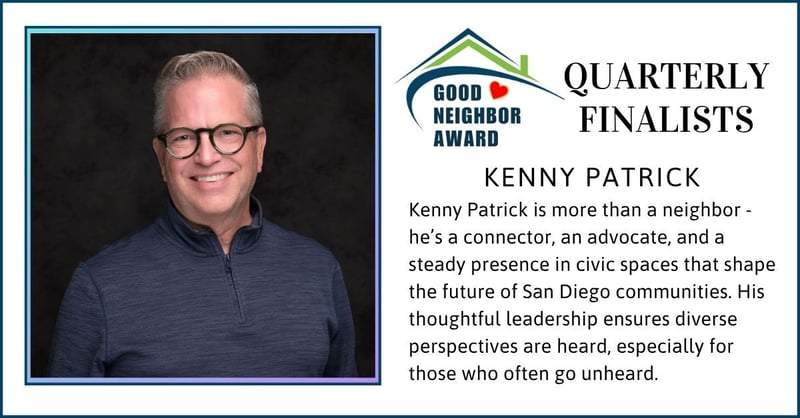
Congratulations to PSAR REALTOR® Sean and Martine Hillier, recipients of a PSAR Good Neighbor award.quarterly finalist.

Sean and Martina HillierREALTORS®, PSAR members, and Good Neighbor Award nominees Sean and Martine Hillier have been active in educational and non-profit causes for nearly 17 years. They started out wanting to help senior citizens. This led them to become volunteers for San Diego’s Meals on Wheels in June 2008, delivering meals to seniors across East County once or twice a month. In June 2024, Sean expanded his Meals on Wheels involvement, joining the staff as a paid Site Coordinator and Driver. That same summer, Martine was hired at the non-profit group Oasis, which offers dozens of classes for seniors.

Martine, a native French speaker and also fluent in Spanish, is now on her third semester of teaching Beginning and Intermediate French at Oasis’ Grossmont Center campus.    

Sean and Martina HillierIn addition, Sean has spent many years volunteering in various roles to help his fellow real estate agents and brokers. Sean spent six years hosting PSAR’s weekly East County broker caravan, plus two years as an elected member of PSAR’s Board of Directors.

Sean and Martine also spent four years on PSAR’s East County Government Affairs Committee. Sean was a panelist on several educational forums for agents at Windermere Real Estate SoCal. And Sean remains chairman of the Broker Independent Group (B.I.G.), a twice-weekly meeting of Southern California smaller brokers he co-founded in 2021. 


Good Neighbor Information and Nominations can be found HERE


Topics: Announcements, Leadership

EastLake III Transfer Fee: What Buyers and Sellers Need to Know

Posted by Richard D'Ascoli on Feb 20, 2025 11:32:46 AM

EastLake III Transfer Fee

CHULA VISTA, CA – Selling a home in certain EastLake III communities requires homeowners to pay a transfer fee to the EastLake Educational Foundation (EEF). This fee is outlined in the community’s Covenants, Conditions, and Restrictions (CC&Rs) and supports local award-winning, high-achieving schools through technology and educational programs.

Key Points About the Transfer Fee

  • Amount: The transfer fee is 0.1% of the home’s final sale price. For example, a $700,000 sale would include a $700 fee.
  • Payment: The fee is typically deducted from the seller’s proceeds during the closing process.
  • Disclosure: Sellers agree to the fee when they sign the CC&Rs upon purchasing the home. REALTORS® should ensure sellers are reminded of this requirement early in the transaction process.

Where Does the Fee Apply?

The transfer fee is required for homes that are part of the EastLake III Community Association. The neighborhoods subject to this fee include:
  • EastLake Woods: Known for spacious homes and nearby parks.
  • EastLake Vistas: Offers family-oriented living with community amenities.
  • EastLake Trails: Features a variety of single-family homes with access to community pools and trails.
  • Summit at EastLake: A gated community of condominiums and townhomes.

Why the Fee Exists
Established in 1995, the EastLake Educational Foundation uses funds collected through the transfer fee to enhance educational opportunities at local schools. The foundation provides technology resources such as iPads, e-books, and classroom equipment that benefit students in the community.

What REALTORS® Should Do
To ensure smooth transactions and prevent surprises at closing, REALTORS® should:
  1. Verify the Requirement: Confirm the transfer fee applies by checking if the home is part of the EastLake III Community Association.
  2. Educate Sellers Early: Discuss the fee at the start of the listing process.
  3. Provide Resources: Share official documents and direct clients to the HOA and EEF for accurate information.
  4. Prepare Buyers: Inform buyers how the fee supports local education and community amenities.
Resources for More Information
  • EastLake III HOA & CC&Rs: Contact Walters Management for official documents. Walters Management
  • EastLake Educational Foundation: Learn more about how the funds support local schools. EEF Website
  • EEF FAQ Handout: Is attached for additional details.
By understanding and disclosing the EastLake III transfer fee early, REALTORS® can better guide their clients, ensuring informed decisions and a smoother closing process.

EEF Frequently Asked Questions

Topics: Announcements

Navigating the New FCC Rules: A Guide for Real Estate Professionals

Posted by Communications on Jan 22, 2025 8:00:00 AM

The image depicts a modern office setting where a group of real estate professionals are gathered around a sleek conference tableThe real estate industry thrives on communication, and reaching potential clients is crucial. But the digital age has brought with it a wave of unwanted calls and texts, leading to frustration and distrust. The Federal Communications Commission (FCC) has stepped in with new regulations to protect consumers, and these rules have significant implications for how real estate professionals connect with leads.  For detailed information from the FCC follow this link.


Understanding the Key Changes

  • One-to-One Consent is Paramount: Forget blanket opt-ins! The new rules demand that consumers provide individual, specific consent to each business that intends to contact them via robocalls or "robotexts." This consent must be "logically and topically associated" with the website where they provided it. For example, someone signing up for home valuation on your website can't be assumed to consent to calls about mortgage offers from your affiliated lender.

  • Lead Generation Under Scrutiny: Lead generation companies can no longer rely on broad consent obtained through third-party websites. They must ensure consumers explicitly consent to each business receiving their information.

  • Existing Leads Need a Check-Up: Don't assume your current contact list is good to go! Leads obtained before January 27, 2025, may not meet the new consent standards. Review your database and re-obtain consent where necessary.

  • Manual Outreach Remains Viable: While the new rules focus on automated communication, you can still make manual calls and send texts without prior consent. However, you must adhere to the Do-Not-Call Registry and avoid using pre-recorded or artificial voices.

  • Legal Challenges on the Horizon: The one-to-one consent rule is facing legal challenges, and its future may be influenced by court decisions. Stay informed about any updates or changes to the rule.

Actionable Steps for Real Estate Professionals

  1. Review and Revise Consent Forms: Ensure your website and other lead capture forms clearly state that the consumer is consenting to receive calls/texts specifically from your brokerage or agency.
  2. Obtain Express Written Consent: Always get written consent (electronic is acceptable) before initiating robocalls or "robotexts."
  3. Scrutinize Lead Generation Practices: Work only with lead generation companies that comply with the new FCC rules.
  4. Stay Updated on Do-Not-Call Regulations: Regularly check the Do-Not-Call Registry and promptly remove any listed numbers.
  5. Educate Your Team: Ensure all agents and staff understand the new rules and their implications.

Important Disclaimer:

This blog post is intended for educational purposes only and does not constitute legal advice. The FCC regulations are complex and subject to change. While we strive for accuracy, it is crucial to consult with an attorney for professional guidance on how to ensure your business practices are fully compliant. Final decisions regarding your business practices should be made after seeking legal counsel.

Topics: Education, Government Affairs, Market Information, Technology

Important Notice for Real Estate Professionals: Read the Full DRE Report on Executive Order N-7-25

Posted by Richard D'Ascoli on Jan 21, 2025 12:14:38 PM

Important Notice for Real Estate Professionals: Read the Full DRE Report on Executive Order N-7-25The recent Southern California wildfires have prompted Executive Order N-7-25, which directly impacts real estate professionals working in fire-affected areas. This Order, effective until April 14, 2025, aims to protect property owners from unsolicited offers that fall below fair market value.

As a real estate professional, it is essential to understand the policy details to avoid unintentionally violating the Order and to guide your clients effectively.

Why You Should Read the Full DRE Notice:

  • Compliance with New Regulations: Learn how the Order prohibits unsolicited offers in specific zip codes and the penalties for violations, including fines and possible imprisonment.
  • Educate and Protect Clients: Understand how to support clients who may be vulnerable to predatory practices after the fires.
  • Identify Risk Areas: Recognize actions that could inadvertently fall under prohibited practices.
  • Access Resources: Discover tools and guidance to help your clients navigate their decisions responsibly.

The full notice provides critical information about the affected areas, definitions of unsolicited offers, and examples of practices deemed unlawful under the Order.

Stay informed to maintain professionalism and compliance. Click here to read the full notice and ensure you’re equipped to support your clients while adhering to the guidelines.

Read the full notice here.

Topics: Announcements

Navigating Price Gouging Laws in California: A Guide For Real Estate

Posted by Communications on Jan 17, 2025 2:30:00 AM

Price Gouging Laws in California
In the aftermath of emergencies, the real estate industry in California faces unique challenges. Understanding the state's anti-price gouging laws is crucial whether you're a sales agent, broker, or property manager. These laws not only protect consumers during crises but also guide professionals in maintaining ethical standards.

On January 14th, 2025, due to complaints about owners, the DRE Released this advisory.

Here's what you need to know: 

The Essence of Price Gouging in Real Estate
Price gouging occurs when prices for housing, rentals, or other essential services are significantly increased to exploit an emergency. For real estate professionals, this typically relates to the pricing of rentals, homes for sale, and emergency lodging. The goal is to prevent undue strain on those affected by disasters, ensuring access to housing remains fair and equitable.

California’s Stance on Price Gouging
California law, specifically Penal Code Section 396, restricts increasing the price of housing and other essential services by more than 10% following an emergency declaration. This applies to sales, rentals, and services across the board, ensuring that real estate professionals are aligned with legal and ethical pricing standards during critical times.

Timing and Application of the Law
These protections activate immediately upon an emergency declaration by federal, state, or local authorities and are initially set for 30 days. For real estate-related services, like reconstruction and cleanup, the period extends to 180 days. Importantly, officials can extend these timeframes to meet ongoing needs, affecting how properties are marketed and managed.

Staying Informed on Declarations
Real estate professionals should closely monitor emergency declarations to comply with legal requirements. This includes staying updated through the Governor's website and local government channels. Awareness of state and local declarations is key to ensuring your practices align with current regulations. The following locations are under price gouging protections.

Who and What Is Covered?
The statute broadly applies to all entities within the real estate sector, including individuals and companies involved in selling, renting, or managing properties. It covers a wide range of necessities, notably including rental housing, hotels, and motels, ensuring that the industry's response to emergencies is comprehensive and compliant.

Addressing Cost Increases and Violations
If your costs increase due to supplier price hikes, the law allows the cost to be factored into pricing, provided it can be justified. However, compliance with the statute is closely monitored, and violations can lead to severe penalties, including fines and criminal charges. Ensuring transparency and fairness in pricing is crucial to avoid legal repercussions.

Role of Real Estate Professionals in Compliance
As gatekeepers of housing and essential services, real estate professionals have a pivotal role in upholding these laws. This involves adhering to pricing regulations and advising clients and the community on their rights and protections. Your guidance can help navigate the complexities of emergencies, ensuring access to housing remains fair and stable.

Conclusion
For real estate professionals in California, understanding and complying with anti-price gouging laws is essential. These regulations ensure that during emergencies, the industry acts with integrity, maintaining fair pricing and access to housing. By staying informed and adhering to these laws, you play a vital role in supporting communities during their most vulnerable times, reinforcing the ethical standards that define the real estate profession.

This link provides useful guidance for identifying if a state of emergency affecting price gouging in rental housing is in effect. Simply locate your rental property's county on the list and note the code (a letter in parentheses) next to it. Then, refer to the explanations at the bottom of the page to understand which price gouging laws apply to your situation


Important Disclosure
Please note that the information provided in this blog post is for general informational purposes only and does not constitute legal advice. Real estate laws and regulations can be complex and subject to change. While we strive to present accurate and up-to-date information, we cannot guarantee the completeness, reliability, or applicability of the content to your specific situation.

As a real estate professional, it's essential to understand your actions' legal implications, especially in emergencies and price-gouging laws. Therefore, we strongly recommend consulting with a qualified attorney or legal expert to obtain advice tailored to your specific circumstances. Doing so will ensure you navigate these challenges with the utmost compliance and integrity, safeguarding your professional practice and the communities you serve.


Topics: Brokers/Managers, Government Affairs, Property Management

PSAR Honors Toni Atkins and Juan Vargas for Championing Homeownership, Recognizes Local Leaders

Posted by Communications on Nov 22, 2024 4:55:30 PM

The Pacific Southwest Association of REALTORS® also installed its 2025 Board of Directors during the celebratory event.

The Pacific Southwest Association of REALTORS® (PSAR) recently hosted a special event to honor the achievements of elected officials who have made significant strides in expanding housing accessibility and protecting property rights. The event recognized Senator Pro Tem Emeritus Toni G. Atkins and Congressman Juan Vargas for their leadership, along with several local leaders for their impactful contributions. The evening also celebrated the installation of PSAR’s 20254 Board of Directors.


Transforming Housing Policy in California:

LinkedPreview-PSAR68Senator Pro Tem Emeritus Toni Atkins received the PSAR Key to Homeownership Award for her pivotal role in shaping housing policy in California. Atkins championed Senate Bill 9, the California Housing Opportunity and More Efficiency (HOME) Act, which simplifies the process for homeowners to create duplexes or subdivide properties, increasing the housing supply and affordability.

"SB 9 is about giving homeowners more flexibility and creating opportunities for families to achieve the dream of homeownership," said Atkins during her remarks.

Atkins authored the California Dream for All program, a shared appreciation loan program that has helped thousands of families across California achieve the dream of homeownership. 

Atkins also strongly opposed Proposition 33, calling it "as deceptive as it is dangerous" and warning that it could "dramatically hinder new housing construction." Her leadership has been instrumental in addressing California’s housing crisis and advancing fair housing initiatives.


Advocating for Housing at the Federal Level: The Key's to Homeownership.

LinkedPreview-PSAR76Congressman Juan Vargas was also honored with the PSAR Key to Homeownership Award for his tireless efforts to support homeownership at the national level. As a member of the House Financial Services Committee, Vargas has championed fair lending practices and policies to expand access to affordable housing resources.

During his remarks, Vargas shared a personal story about how his parents used the growing equity in their home to provide for their family. "My mother and father taught us the value of homeownership—not just as a place to live, but as a tool for opportunity. They put ten children through college because of the equity they built in their home," Vargas shared.


Recognizing Local Leaders:

PSAR also honored several local officials for with The Key to Homeownership Award for their dedication to advancing access to homeownership and protecting property rights.  All of these elected officials opposed the anti-pro-housing bill Prop 33.:

elected officials with keys

State Senator Brian Jones:  Introduced legislative packages addressing homelessness and housing availability.

Supervisor Joel Anderson: Supported efforts to fight homelessness, provide rental assistance, and provide workforce housing.  He also opposed barriers to housing caused by VMT Policies. 

Jordan Marks, San Diego County Assessor/Recorder/Clerk: Advocated for Proposition 13 protections, enhanced tax relief programs, and fought against real estate fraud.

John McCann, Chula Vista Mayor: Focused on public safety, economic growth, and homeowner education in Chula Vista.

Ron Morrison, National City Mayor: Opposed rent control measures that threaten property rights and prioritized homeownership opportunities.

Alonso Gonzalez, Chula Vista Deputy Mayor (And a PSAR Broker Member): Brought industry knowledge as a REALTOR® to advocate for equitable zoning and housing access.

Ditas Yamane, National City Vice Mayor: A former PSAR President who championed property rights and affordable homeownership.

Colin Parent, La Mesa Councilmember: Crafted policies like La Mesa’s ADU ordinance and affordable housing programs to expand housing options.


Celebrating PSAR Leadership:

The evening concluded with the installation of PSAR’s 20254 Board of Directors. The new board, led by incoming President Yvonne Cromer, will guide the association in its mission to empower real estate professionals and advance housing opportunities throughout San Diego County.

2025 board sworn in

Thank you Don Anderson of Insight Photos and Brandon of Linked Preview for these great photos: 2025 Installation Dinner Photos
 
And Thank You     

Topics: Announcements, Events, Brokers/Managers

California Buyer-Broker Agreements: DRE Bulletin Adds to the Maze

Posted by Richard D'Ascoli on Nov 15, 2024 4:38:12 PM

California Buyer-Broker Agreements: DRE Bulletin Adds to the Maze

The real estate industry is facing significant changes to buyer-representation, and PSAR members need to stay informed. With the recent Sitzer-Burnett settlement, the passage of California’s AB 2992, and NOW a newly released California Department of Real Estate (DRE) bulletin, REALTORS® are navigating uncharted territory. These updates reflect an ongoing evolution in the industry, but inconsistencies between them may create challenges for REALTORS® working to remain compliant.

C.A.R. Legal is currently reviewing these documents in detail and will likely reach out to the DRE for clarification regarding the bulletin. REALTORS® can expect further guidance as these details are analyzed more thoroughly.

This blog is a first look at how these changes align—or don’t. While this is not a definitive legal analysis, it highlights important areas to consider.


Key Inconsistencies REALTORS® Need to Understand

1. Timing of Agreement Execution

  • Choose: Sitzer-Burnett Settlement: REALTORS® and MLS subscribers must secure a signed buyer-broker agreement before touring properties.

  • AB 2992: Allows the agreement to be signed as late as the execution of a purchase offer.

  • DRE Bulletin: Reflects AB 2992’s timing, which is less stringent than the settlement.
    Impact: REALTORS® may face conflicting guidance depending on whether they are complying with AB 2992, the settlement, or MLS rules.

2. Agreement Expiration

  • Choose: AB 2992: Limits agreements to a maximum of three months.

  • Sitzer-Burnett Settlement: Does not specify a duration but requires clear terms.

  • DRE Bulletin: Does not mention expiration limits.
    Impact: REALTORS® could face compliance issues if agreements extend beyond three months under California law, even if not restricted under the settlement.

3. Compensation Negotiation and Disclosure

  • Choose: Sitzer-Burnett Settlement: Caps compensation at the agreed amount and prohibits exceeding it from any source.

  • AB 2992: Allows buyers to negotiate seller concessions to cover agent fees but does not impose a cap.

  • DRE Bulletin: Discusses compensation but lacks clarity on handling caps or seller concessions.
    Impact: REALTORS® may inadvertently violate settlement terms by exceeding the agreed-upon compensation if following only state law or the bulletin.

4. Scope of Applicability

  • Choose: Sitzer-Burnett Settlement: Applies to all REALTORS® and covered MLS participants.

  • AB 2992: Broadens applicability to all California buyer’s agents, regardless of MLS or REALTOR® status.

  • DRE Bulletin: Suggests universal applicability but does not distinguish between REALTORS® and non-REALTORS®.
    Impact: REALTORS® operating outside MLS systems may face uncertainty about compliance standards.

5. Content of Agreements

  • Choose: AB 2992: Mandates detailed agreements specifying services, compensation, payment timing, and an expiration date.

  • Sitzer-Burnett Settlement: Requires clear compensation disclosure but does not specify other elements.

  • DRE Bulletin: Mentions transparency but omits critical details about mandatory agreement elements.
    Impact: REALTORS® risk non-compliance if agreements lack required elements under AB 2992.


First Look Recommendations for REALTORS®

  1. All Association members who are REALTORS(s) and all MLS members must abide by the terms of the settlement, even if AB2992 is less restrictive. Consult Your Broker: Brokers are a key resource in clarifying compliance with these changes

  2. Utilize the C.A.R. Legal Hotline: REALTORS® should seek professional guidance on navigating the complexities of overlapping requirements.

  3. Adopt a Conservative Approach:

    • Execute agreements before property tours, consistent with the settlement.

    • Ensure agreements meet AB 2992’s requirements, including the three-month expiration limit.

    • Disclose compensation clearly and avoid exceeding agreed-upon amounts.


What’s Next?

The DRE bulletin is brand new, and this is PSAR’s first analysis of its potential implications. While C.A.R. attorneys will undoubtedly provide a more detailed review, it’s critical for REALTORS® to begin understanding these changes now. Taking a proactive and cautious approach will help REALTORS® avoid missteps and serve clients effectively during this transitional period.

PSAR is here to support its members through these changes. Stay tuned for updates and additional resources as more information becomes available.

Topics: Brokers/Managers, Industry

Clear Cooperation Policy: Consumer Choice vs. Market Exposure

Posted by Richard D'Ascoli on Oct 10, 2024 11:44:41 AM

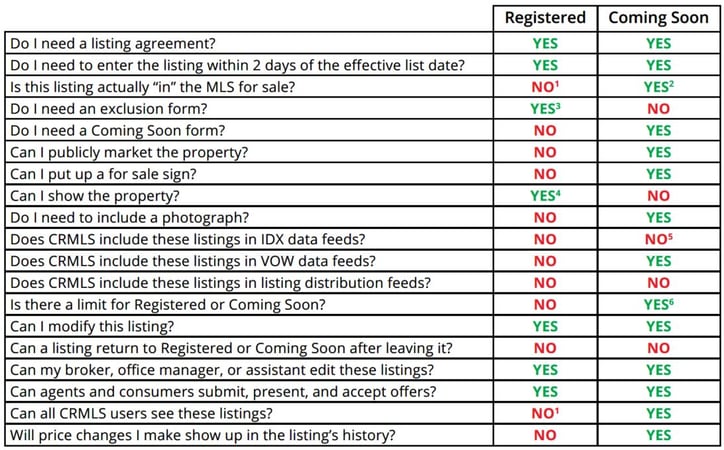
Clear Cooperation Policy: Consumer Choice vs. Market Exposure

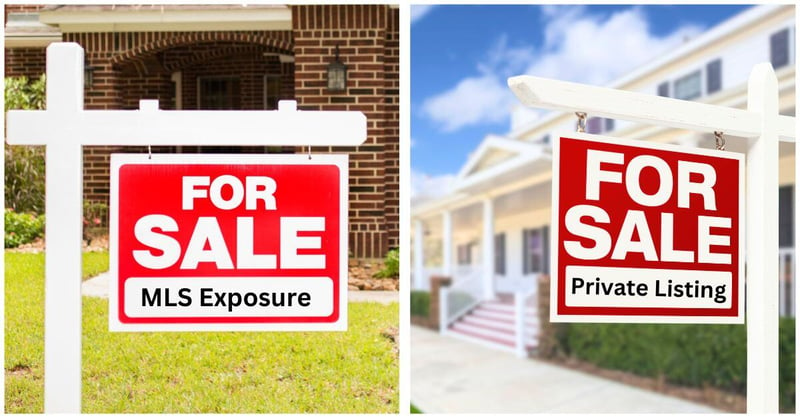
The National Association of REALTORS® (NAR) implemented the Clear Cooperation Policy (CCP) in May 2020, which mandates that listings be submitted to the Multiple Listing Service (MLS) within one business day of being publicly marketed. This policy, designed to ensure fairness and transparency, has sparked a heated debate within the real estate industry. Two influential voices in this discussion are Robert Reffkin, CEO of Compass, and James Dwiggins, CEO of NextHome. While Reffkin advocates for consumer choice and agent flexibility, Dwiggins argues that maximizing market exposure through the MLS is essential for ensuring sellers get the highest price for their homes. Recently Zillow also weighed on the side of Dwiggins calling out Fairhousing issues. Redfin's CEO also sided with Dwiggins while Anywhere's spokesperson called for changes to the policy.

Robert Reffkin's Position: Consumer Choice and Agent Flexibility

Robert Reffkin, as the CEO of Compass, opposes the Clear Cooperation Policy, emphasizing the importance of consumer choice in how homes are marketed. He believes that before the CCP, agents had greater flexibility to act in the best interest of their clients, allowing them to tailor marketing strategies according to their client's unique needs without being restricted by MLS rules.

Reffkin argues that some sellers value privacy over broad exposure, and the CCP forces these clients to market their homes publicly even when they would prefer not to. He highlights situations where privacy is a priority, such as when sellers are dealing with personal issues like illness or divorce. In such cases, Reffkin asserts that the policy compromises the agent's ability to act in the client's best interest by mandating public marketing, which may not align with the seller's preferences.

Additionally, Reffkin challenges the assumption that more exposure always results in a higher price. He points out that many clients, including home builders, have successfully sold properties off the MLS, suggesting that not every seller believes maximum exposure is essential. Reffkin argues that consumer choice should take precedence, allowing sellers to decide how much exposure their property receives and how they want their home to be marketed.

James Dwiggins' Position: Maximizing Exposure for Better Outcomes

James Dwiggins, CEO of NextHome, presents a contrasting viewpoint. He defends the Clear Cooperation Policy, arguing that its purpose is to ensure that all listings receive maximum exposure, which he contends is crucial for sellers to achieve the best price for their homes. According to Dwiggins, the MLS system levels the playing field by making listings available to the entire marketplace, benefiting both consumers and the real estate industry as a whole.

Dwiggins stresses that before the CCP, large brokerages often held back listings for internal promotion, limiting the competition that benefits sellers. By keeping listings off the MLS, these firms reduced the pool of potential buyers, often leading to lower sale prices for homeowners. Dwiggins argues that market exposure through the MLS ensures that listings reach the widest possible audience, which creates a competitive environment and drives prices up.

While Reffkin advocates for consumer choice, Dwiggins emphasizes that most sellers—around 99%, by his estimate—want to maximize the value of their home. He highlights studies showing that homes sold off-MLS can lose anywhere from 5% to 17% of their potential value compared to homes listed on the MLS. For Dwiggins, the key to protecting consumers' financial interests lies in ensuring their property is seen by as many potential buyers as possible, rather than limiting exposure for the sake of privacy or exclusivity.

Dwiggins also warns of the legal and reputational risks of eliminating the CCP. He points to previous lawsuits filed by sellers who felt misled by agents into keeping their homes off the MLS, only to discover later that they could have received a better price by listing publicly. Without the CCP, Dwiggins argues, large brokerages would revert to promoting exclusive listings internally, hurting consumers and the industry's reputation in the long run.

Comparing Consumer Choice and Market Exposure

At the core of this debate is a fundamental difference in how Reffkin and Dwiggins view the best way to serve consumers. Reffkin prioritizes consumer choice, arguing that sellers should have the flexibility to decide how their homes are marketed. He believes that forcing all listings onto the MLS, as the CCP requires, limits a seller’s ability to manage personal and financial concerns on their own terms. In Reffkin’s view, the Clear Cooperation Policy reduces the options available to both sellers and agents, particularly for those who value discretion and privacy.

On the other hand, Dwiggins focuses on ensuring that consumers get the highest price for their homes through maximum market exposure. He believes the CCP prevents large brokerages from monopolizing listings for internal gain and protects consumers by ensuring their property is marketed to the largest possible audience. For Dwiggins, the CCP is essential to safeguarding sellers' financial outcomes, as broad exposure leads to more competition and higher offers. He sees the MLS as the most effective tool for creating a fair and transparent marketplace, and while he acknowledges the policy can be improved, Dwiggins insists that its core purpose—guaranteeing market access—must remain intact.

Conclusion: Consumer Choice vs. Market Exposure

The debate over the Clear Cooperation Policy ultimately comes down to a question of how best to serve consumers: Is it more important to prioritize consumer choice, or is maximizing market exposure the best way to protect homeowners’ financial interests?

Reffkin argues that sellers should have the freedom to choose how their home is marketed, particularly when privacy or personal concerns are at play. He views the CCP as a rigid policy that limits both sellers’ and agents’ ability to navigate complex situations in a flexible manner.

Dwiggins, in contrast, contends that the true benefit to consumers lies in giving their homes maximum exposure to the marketplace, ensuring they receive the highest possible price. He argues that the CCP protects sellers by preventing exclusive, off-MLS listings that often result in lower sales prices. For Dwiggins, market exposure is critical to safeguarding consumers' financial outcomes.

As the real estate industry continues to debate the future of the Clear Cooperation Policy, the central question remains: Should the industry prioritize consumer choice or market exposure? Both perspectives highlight important considerations, but the answer will ultimately shape the future of real estate transactions and the value sellers receive from their homes.

PSAR Flood Relief Grants Aid Families After January 2024 San Diego Floods

Posted by Communications on Sep 3, 2024 12:00:00 AM

When devastating floods struck San Diego County in January 2024, hundreds of families were displaced, and many faced the uncertainty of how to cover their housing expenses. In response, the Pacific Southwest Association of REALTORS® (PSAR), in partnership with the REALTORS® Relief Foundation, launched the Flood Relief Grant Program to provide direct financial support to affected households.

Through this program, PSAR was able to distribute $190,000 in housing assistance grants, helping nearly 100 households with critical expenses such as mortgage, rent, and temporary housing. Each qualified applicant received up to $2,900 in assistance, offering much-needed stability during a time of crisis.

Community Impact

The grant program brought national disaster relief dollars directly into San Diego County. While the floods caused more than $30 million in damage and displaced more than 1,200 residents, PSAR’s program served as an immediate bridge to help families cover urgent housing costs while they awaited insurance claims, government relief, or other recovery assistance.

Families across impacted neighborhoods expressed gratitude for the program’s fast response. By easing financial pressure, the grants allowed many to remain in their homes or secure safe housing after losing so much to floodwaters.

Collaboration for Recovery

The success of this effort was made possible through collaboration:

  • The REALTORS® Relief Foundation provided more than $1 million in funding.

  • PSAR and local REALTOR® leaders facilitated outreach, application review, and disbursement of funds.

  • Community partners and media outlets helped spread the word, ensuring residents were aware of the application deadline and eligibility requirements.

This combined effort highlighted the REALTOR® community’s commitment to supporting housing stability and serving as trusted advocates beyond real estate transactions.

Lessons Learned and Next Steps

While PSAR is proud of the impact of the Flood Relief Grants, the need in our community remains far greater than any one program can solve. The experience underscored the importance of:

  • Fast mobilization of resources when disaster strikes.

  • Strong community partnerships to reach underserved neighborhoods.

  • Transparent reporting on outcomes, so members and residents understand the difference REALTORS® make locally.

A Record of Resilience

The Flood Relief Grant Program reflects PSAR’s mission: Empowering Real Estate Professionals and supporting the communities where REALTORS® live and work. Nearly 100 families received tangible help at a time when they needed it most.

As San Diego County continues its recovery, PSAR remains committed to advocating for housing stability, building stronger communities, and ensuring that REALTORS® are recognized as community leaders in times of both prosperity and crisis.


This program was made possible the the National Association of REALTOR® Relief Foundation.  To donate, please click here.  

20240127_090351sm


Topics: Government Affairs, Industry, story

Why Proposition 33 and Rent Control Harm All Californians

Posted by Richard D'Ascoli on Aug 29, 2024 3:23:11 PM

BlogBanner_Rent_Control

Understanding Rent Control and Proposition 33

Rent control policies, such as those proposed under Proposition 33, aim to limit the amount landlords can charge for rent. While these policies are often introduced to protect renters, they can lead to unintended and harmful consequences for renters, property owners, and the broader housing market. Proposition 33, in particular, seeks to expand rent control by eliminating the protections provided under the Costa-Hawkins Rental Housing Act, which currently exempts single-family homes and new construction from local rent control ordinances.

Distortion of Supply and Demand

Rent control disrupts the natural balance of housing supply and demand. By capping rents, developers and property owners lose the financial incentive to build or maintain rental properties, leading to a reduction in the overall supply of housing. As the supply decreases, demand continues to rise, particularly in high-demand areas, resulting in a housing shortage. This shortage makes it increasingly difficult for renters to find available units, driving up competition and ultimately exacerbating the very affordability issues rent control aims to address.

Impact on Single-Family Homes and Property Owners

Proposition 33 would remove the current protections for single-family homes under Costa-Hawkins, allowing local governments to impose rent control on these properties. This change would have far-reaching effects on homeowners, including retirees, service members, and others who might want to return to their homes after renting them out. These homeowners could be restricted from setting their own rental rates, limiting their ability to use or sell their properties as they see fit.

For property owners looking to sell their rental properties, Proposition 33 would further complicate matters. Under rent control, the value of these properties may decrease, limiting the pool of potential buyers. Instead of selling to first-time homebuyers or middle-class families, owners may be forced to sell to wealthy investors who can navigate the complexities of rent-controlled properties. This dynamic could further exacerbate housing inequality and reduce homeownership opportunities for many Californians.

Does Rent Control Truly Benefit the Poor?

While rent control is often marketed as a tool to help low-income renters, it does not require that applicants pass a means test to qualify for these benefits. As a result, rent-controlled units are sometimes occupied by higher-income tenants who do not need the financial assistance intended for the poor. This situation creates an unfair advantage for wealthier individuals who secure these below-market rents at the expense of property owners, who are forced to subsidize these tenants.

Moreover, wealthier individuals living in rent-controlled units are unlikely to leave, as they continue to benefit from artificially low rents. This reduces turnover and makes it more difficult for new residents, especially those from low-income backgrounds, to find affordable housing. In some cases, these individuals can even maintain their rent-controlled units while subletting them to others at higher rates, further distorting the market and benefiting those who do not need the help.

This inequity highlights a fundamental flaw in rent control policies: they do not necessarily target those most in need of housing assistance. Instead, they can provide significant benefits to those who are already financially secure, exacerbating the challenges faced by low-income renters who are unable to compete in a market with limited affordable housing options.

Landlords Targeting “Better” Tenants

Another unintended consequence of rent control is that it incentivizes landlords to be more selective about the tenants they accept. Knowing that they could be stuck with a tenant indefinitely, landlords may prioritize applicants with higher incomes, stable jobs, and strong credit histories, effectively shutting out lower-income renters. This selective process can deepen inequalities in the housing market, making it even harder for vulnerable populations to secure housing.

In some cases, landlords may even choose to convert rental units into condominiums or sell their properties to avoid the restrictions of rent control altogether. This further reduces the availability of rental housing and can contribute to gentrification, where lower-income residents are displaced from their neighborhoods.

Impact on Local Governments

The ripple effects of Proposition 33 extend to local governments as well. As property values decline due to the reduced profitability of rent-controlled properties, so too does the property tax revenue that local governments rely on to fund essential services like public safety, education, and infrastructure. In cities where rent control is widely implemented, these reductions in revenue can lead to budget shortfalls, forcing cuts to critical services that impact the entire community.

Additionally, as the rental housing market contracts, the housing shortage could worsen, leading to increased homelessness and placing further strain on government resources. Local governments may find themselves in the difficult position of having to address the unintended social consequences of rent control, from increased demand for social services to the need for more affordable housing construction, which itself may be hampered by the disincentives created by Proposition 33.

Conclusion

Proposition 33 and the expansion of rent control might seem like a solution to California’s housing crisis, but they are more likely to exacerbate existing problems. Rent control distorts the housing market by reducing supply and increasing demand, often failing to benefit the low-income renters it is supposed to help, and encourages landlords to be more selective, shutting out those most in need of affordable housing. Additionally, the policy threatens to reduce property tax revenues, which could lead to cuts in essential public services and worsen the state’s housing shortage.

Furthermore, by allowing rent control on single-family homes, Proposition 33 risks harming retirees, service members, and other homeowners who may wish to return to or sell their properties. It also limits opportunities for first-time homebuyers, favoring wealthy investors who can navigate the complexities of rent-controlled properties. The opposition from leaders like Senator Toni Atkins and Mayor Todd Gloria underscores the potential damage this proposition could do to housing development and affordability.

Moreover, rent control does not require means testing, which can lead to situations where wealthier individuals benefit from below-market rents at the expense of property owners and those who truly need affordable housing. This lack of targeting makes rent control not only ineffective but also unfair, as it can allow wealthier tenants to remain in rent-controlled units indefinitely, further reducing opportunities for low-income renters.

For these reasons, it is crucial to oppose Proposition 33. Instead of expanding rent control, California needs policies that encourage the development of more housing, improve the quality of existing rental units, and truly address the needs of low-income renters. Only by addressing the root causes of the housing crisis can we create a more stable and equitable housing market for all Californians.

Topics: Government Affairs, Industry