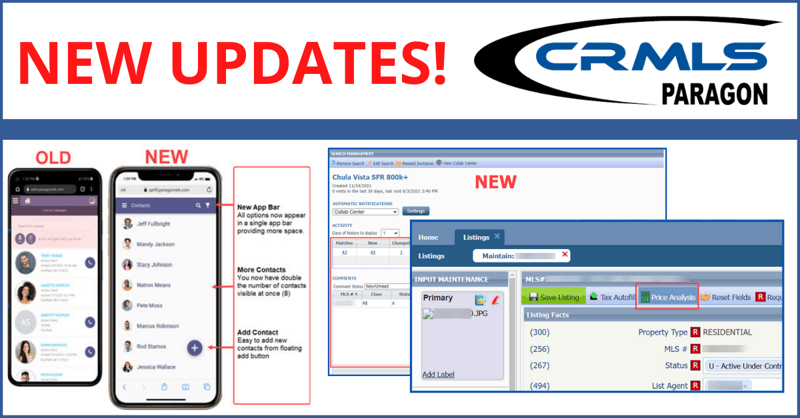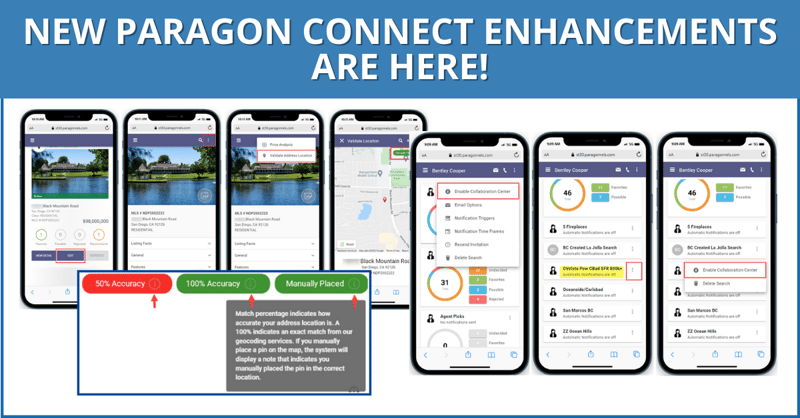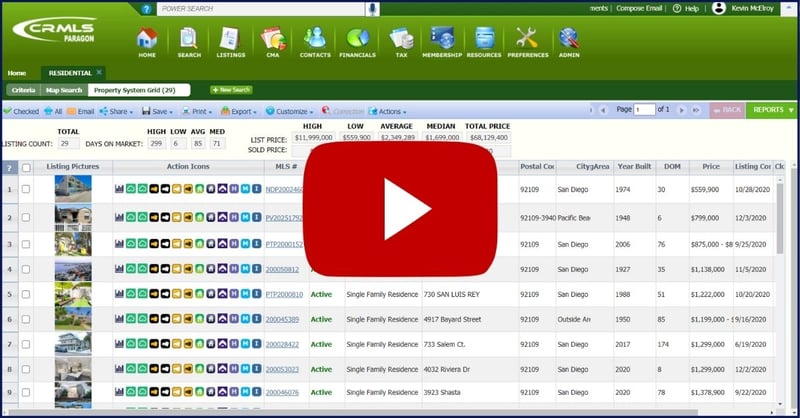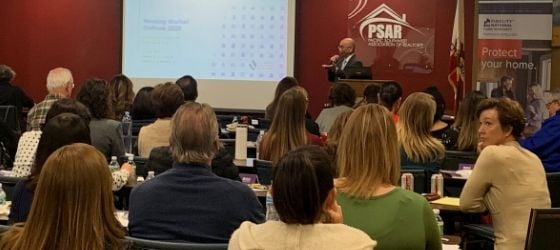
Meet with Paragon Connect-Rep and PSAR CEO for Demo & Discussion

Posted by Communications on Feb 20, 2026 4:30:13 PM

  REGISTER HERE  


blog banner_paragonConnect

The ICE (formerly Black Knight) team is coming to town for the REAL Awards, and they are arriving a day early to host a special session just for PSAR members.
 

Event Details

This live demo is your best opportunity to learn best practices, ask questions directly to the developers, and get a first look at upcoming features.

  • Date: Thursday, February 26th
  • Time: 12:00 PM – 1:00 PM
  • Location: PSAR Chula Vista (880 Canarios Court, Suite 100, Chula Vista, CA 91910)

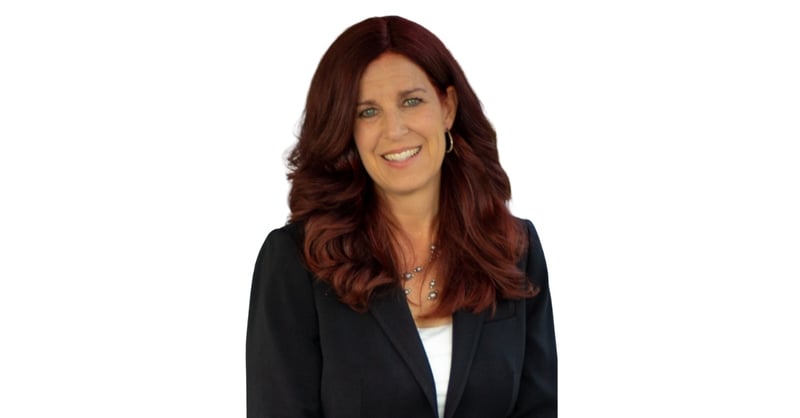
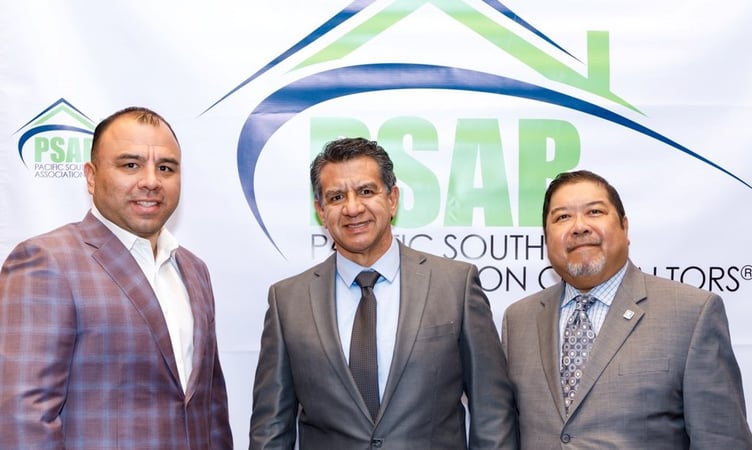
If you are still using "Classic" Paragon, you’re missing out on the power of a truly mobile-optimized business. Join Shonda Paul (Director of Customer Engagement, ICE) and Rich D’Ascoli (CEO, PSAR) for a live, hands-on demonstration of Paragon Connect.
  REGISTER HERE   Why Switch to Paragon Connect?

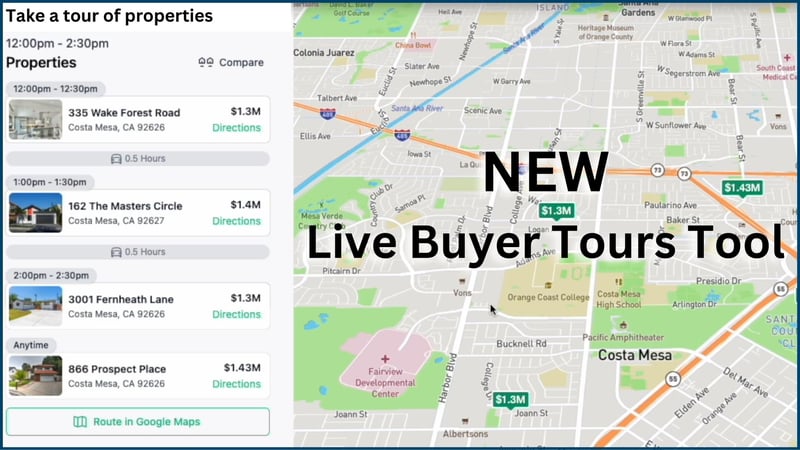
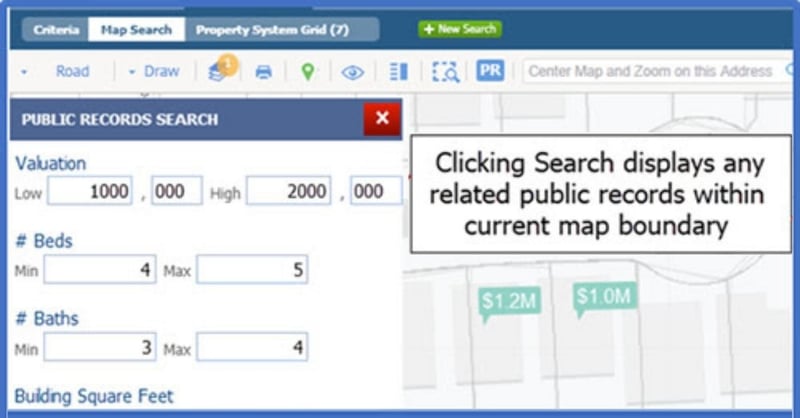
Paragon Connect isn’t just a mobile version of the software you know—it’s a faster, more intuitive way to manage your business on the go. The team will walk you through the newest tools designed to simplify your daily tasks:

  • Robust Search: Pinpoint local properties with precision using an interface built for speed.
  • Simple CMAs: Generate professional Comparative Market Analysis reports in seconds from your phone or tablet.
  • On-the-Go Management: Maintain accurate listing data and organize client conversations from a single, easy-to-use interface.
  • Maximum Efficiency: Customizable solutions designed to reduce administrative time and keep you in the field.
  • Mobile Friendly App: Add, edit, and full MLS functionality on mobile devices.


Download for Apple or Android

Download_on_the_App_Store_Badge.svg-2          png-clipart-google-play-google-logo-mobile-app-app-store-play-store-label-text-thumbnail-1


Topics: Education, Announcements, CRMLS, Industry

New protection for San Diego homeowners: ending the "permanent" public tour

Posted by Communications on Feb 17, 2026 4:53:15 PM

For years, one of the biggest frustrations for homeowners has been the lack of control over their property’s online presence. Once a house is sold, interior photos—showing everything from the primary bedroom to the home’s security layout—often remain searchable on the internet indefinitely.

Starting February 17, 2026, a new policy is finally putting the curtains back up. The Pacific Southwest Association of REALTORS® (PSAR) is proud to announce a technical solution that will automatically remove interior photos from public search sites once a property sale is finalized.


The power of our partnership with CRMLS

This significant shift in privacy is made possible by CRMLS, the nation’s largest and most recognized MLS. By updating their rules and infrastructure, CRMLS has paved the way for this automated solution. This change ensures that the data being shared with public-facing websites remains relevant to active listings, rather than becoming a permanent archive of a private residence.

As a PSAR member, you and your homeowners benefit directly from the industry-leading standards and technical innovation that CRMLS brings to the San Diego market.


CRMLS and PSAR


The problem: private homes, publicly searchable

Most homeowners assume that when they buy a house, the marketing photos disappear. However, due to how data is shared through IDX (Internet Data Exchange), those photos often stay live on thousands of real estate websites long after the new owners move in.

For residents, this is a legitimate security and privacy concern:

  • Home security: Interior photos can act as a blueprint for bad actors, identifying entry points and the location of valuables.
  • Family privacy: Families are often uncomfortable knowing anyone can virtually walk through their private living spaces via an old listing.
  • Online fraud: Scammers frequently use these persistent photos to create fake rental listings, leading to strangers showing up at a homeowner’s door.

A new standard for San Diego

"We believe that once a house is sold, it stops being a listing and starts being a home," says Claudia Zaker, President of the Pacific Southwest Association of REALTORS®.

Through the leadership of CRMLS and our local partnership, homeowners will now have their privacy protected automatically. Starting in the first quarter of 2026, the data feed used by PSAR members will remove photos as soon as a sale closes.

The result: Every interior photo will be scrubbed from the public data feed. Only the primary exterior shot will remain on record to ensure there is a "front door" photo for historical property records and appraisals, while keeping the inside of the home private.


What this means for PSAR members

This is a first-of-its-kind feature for San Diego, moving the responsibility of data privacy from the homeowner to the professionals. By being a REALTOR® with PSAR, you provide your homeowners with:

  • Automated privacy: They no longer have to spend hours requesting various websites to remove photos of bedrooms or living areas.
  • Increased security: A home's private layout is no longer a public map.
  • Digital closure: Once the sale is over, the public tour officially ends.

"PSAR and CRMLS are taking the lead in San Diego to ensure private data stays private," says Zaker. "We are proud to bring this level of digital protection to our community."


Background and technical rule change

For those interested in the specific regulatory language, Rule 19.2.4 - Display Content (IDX) has been revised. While the rule is now official, it will not be enforced until CRMLS completes the technological project of removing non-primary photos from the IDX payload and notifying all IDX vendors of these changes.

The revised rule now states:

Display Content. Participants and Subscribers shall not display confidential information fields, as determined by the MLS in the MLS’s sole discretion, such as that information intended for Buyer Brokers rather than consumers. Participants and Subscribers shall not display any photo or media other than the Primary Photo for any CRMLS Listing Record in a status of Closed/Leased, Expired, or Canceled.


Topics: Education, Announcements, Brokers/Managers, CRMLS, Industry

PSAR Update: CDAM Reset Period Changing From 90 Days To 30 Days

Posted by Communications on Nov 18, 2025 12:43:20 PM

CDAM Change from 90 to 30 days

CDAM Reset Period Changing From 90 Days To 30 Days

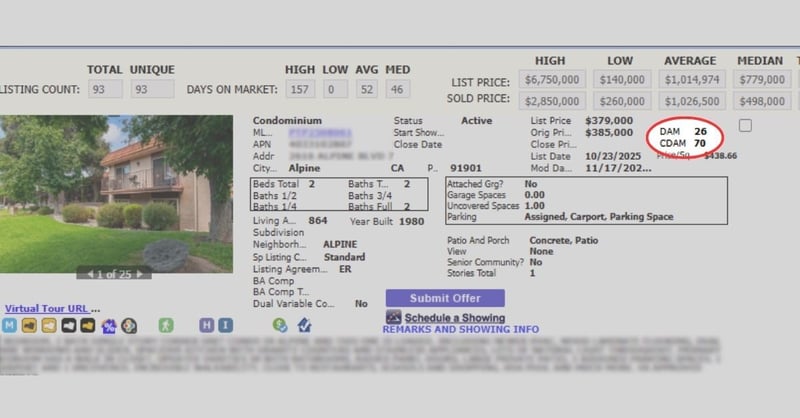
CRMLS will update the way Cumulative Days Active in MLS (CDAM) is calculated starting November 19. This change shortens the reset period from 90 days down to 30 days.

CDAM tracks the total time a property has been marketed in the MLS, even when the listing was temporarily off the market. It is different from Days Active in MLS (DAM), which only counts the days a listing is in Active status.

Under the old rule, if a listing was removed and relisted within 90 days, the CDAM continued from the previous listing for a period of 90 days. Beginning November 19, if a property is off the MLS for more than 30 days before being relisted, the CDAM will reset to zero. CDAM will also reset to zero any time a property changes ownership and is listed after that point.

All new listings entered into the MLS on or after November 19 will calculate CDAM at 30 days. CDAM for all existing listings will be adjusted to 30 days in the coming weeks, allowing each MLS system vendor time to implement the change. No action is required of you; however, you will notice a change in listing data accordingly.

CRMLS made this change to provide a clearer snapshot of current market conditions. With faster access to market data, a 30-day window now gives a more accurate picture of what is happening in real time.

The MLS will update automatically.


Topics: Education, Technology, Paragon

PSAR MEMBERS presented with C.A.R. Honorary Member-for-Life

Posted by Rick Griffin on Nov 6, 2025 9:56:44 AM

California Association of REALTORS®            Pacific Southwest Association of REALTORS®

Honorary Member-for-Life


PSAR is proud to recognize 36 members who have been honored as Honorary Members for Life by both the Pacific Southwest Association of REALTORS® and the California Association of REALTORS® (C.A.R.).

These distinguished members have each demonstrated over 25 years of dedication, integrity, and professionalism in real estate and have reached the age of 75 or older.

The 36 members include:

Violeta Barcas Greg Hall Hector Padilla
Rodger Barwick Young Hall Kathie Pelletier
Elba Beas Rick Hoffman Alfredo Perez
Rita Blackwood Jose King Sang Pham
Bob Carlseen Bonnie Kipperman Andrew Pheasant
Kenneth Colwell Christopher Lewis Pat Russiano
Mitchell Compton Randy Lipsey, Sr. Marilyn Schweer
Joseph Garzanelli Carlos Lopez Robert Smith
Lorenza Gastelum Manuel Lopez Carol Snyder
Alberto Gonzalez Mark Mendillo Gary Stous
Barbara Hahn Dale Nicholas Martin Weinstein
Paul Hahn Josefina Ortiz Gail Wilson

Congratulations to our honored members for their long-term commitment to excellence and their outstanding service to clients and the community.

As part of this recognition, the 2025 group of new honorary members will receive a waiver of PSAR and C.A.R. dues beginning in 2026. This waiver will continue for as long as they remain eligible REALTOR® members or until retirement from the profession.

Members who believe they may qualify for this honor are encouraged to contact PSAR. Please ensure your correct birthdate is entered in your membership record. An accurate birthdate is the trigger used to identify future receipients.

Applications are available on the C.A.R.website and using THIS FORM

For additional information, send an email to hmfl@car.org.

_______________________________________

PSAR's mission is to empower Realtors.

Since 1928, the Pacific Southwest Association of REALTORS® has played a significant role in shaping the history, growth, and development of the Real Estate industry in San Diego County. 

Topics: Education, Brokers/Managers, Leadership, Government Affairs, Market Information, Industry

Navigating: AB 723 - New Photo Disclosure Rules

Posted by Communications on Oct 20, 2025 5:23:21 PM

A new law, Assembly Bill 723 (AB 723),  will soon change how real estate professionals advertise properties using digitally altered images. This bill, which adds Section 10140.8 to the Business and Professions Code, was a key focus for C.A.R. (Best Practices Here)

From the start, the California Association of Realtors (CAR) was deeply engaged on this issue. CAR opposed the initial bill, arguing that it was duplicative of existing false advertising laws and created "unnecessary liability and risks unintended consequences" for members.

CAR's advocacy focused on two key problem areas:

  1. Vague Definitions: The initial language risked penalizing agents for "routine, good-faith edits" like decluttering or minor corrections, which are standard industry practices. CAR pushed for a clear definition that targeted only material changes.

  2. Third-Party Liability: The bill could have made licensees liable for images scraped by or posted on third-party websites that they do not control.

CAR's voice was partially agreed with. The final version of the bill includes amendments that "attempt to address opposition concerns". Specifically, the law now clearly exempts common photo-editing techniques and limits an agent's compliance burden to websites they directly control.

Here is a clear breakdown of the new law as passed best practices for compliance.

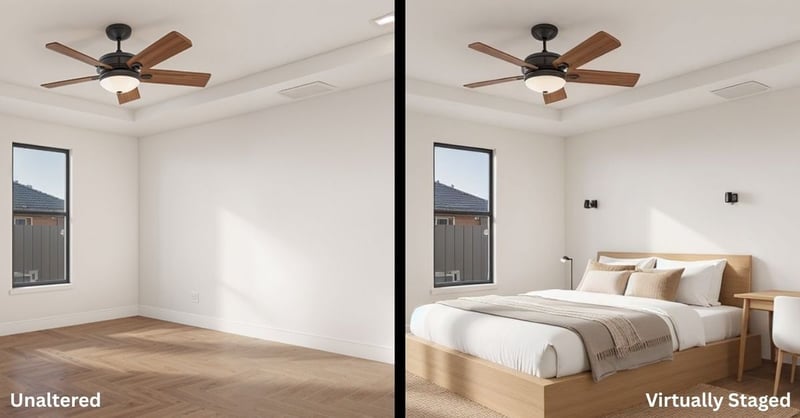
Photo - Virtually Unaltered   Photo - Virtually Staged

The Heart of the Law: What's "Altered" and What Isn't?

This law is not intended to penalize professional photography. Its goal is to stop deceptive alterations that mislead consumers about the physical reality of a property. The law itself, in BPC § 10140.8, creates a, two-part definition:

1. What IS an "Altered Image" (Disclosure Required)

A disclosure is required if an image is "altered through the use of photo editing software or artificial intelligence to add, remove, or change elements" of the real property.

This includes, but is not limited to, changes to:

  • Furniture, appliances, flooring, and walls

  • Fixtures, paint color, hardscape, and landscape

  • Elements "outside of, or visible from, the property," such as streetlights, utility poles, views through windows, and neighboring properties

  • This also includes "virtual staging" where furniture or other physical attributes are digitally added to a room.

2. What IS NOT an "Altered Image" (NO Disclosure Needed)

This is the key clarification CAR successfully lobbied for. You do not need a disclosure for "common photo editing adjustments" that "do not change the condition" or "representation" of the real property.

The law explicitly exempts:

  • Lighting

  • Sharpening

  • White balance

  • Color correction

  • Angle

  • Straightening

  • Cropping

  • Exposure

The Rule: You can make the photo look better (brighter, crisper, more true-to-life). You cannot make the property look different (new grass, no power lines, different-colored cabinets).

Disclosure Duties: How to Comply

If you use an image that meets the definition of "digitally altered," you must do the following:

1. For ALL Advertising (Print or Online): You must include a "reasonably conspicuous statement" on or next to the image disclosing that it has been altered.

2. For PRINT Advertising (Flyers, Mailers, etc.): In addition to the disclosure statement, you must also provide:

  • "a link to a publicly accessible internet website, URL, or QR code that includes, and clearly identifies, the original, unaltered image".

3. For ONLINE Advertising (MLS, Website, etc.): The law provides a more direct compliance path for websites "over which the real estate broker or salesperson... has control". You have two options:

  • Option A: Follow the print rule (disclosure statement + link/QR code).

  • Option B: Simply "include the unaltered version of the picture" in the posting itself.


Best Practices for Easy Compliance (Check with your Broker for Broker Specific Guidance)  CRMLS is currently evaluating this new law.

This law goes into effect on January 1st, 2026

Here is a straightforward action plan (Check with your Broker, for Broker specific rules:)

  • For Print Ads:

    • Create a single, public webpage or photo gallery (like on a brokerage site or a cloud service) with all the original photos for that listing.

    • Generate a single QR code that links to that gallery.

    • On any altered photo in a flyer, add the text: "Image has been digitally altered. Scan QR code for original photos."

  • For Online Ads (The Easiest Way):

    • When uploading to the MLS or a website that yor firm has control over, simply upload both versions of the photo.

    • Use the photo caption to label them clearly. This satisfies all requirements.

    • Altered Photo Caption: "Virtually Staged" or "Digitally Altered"

    • Original Photo Caption: "Original Photo - Unaltered"

By posting both labeled photos in the same gallery, you are being "reasonably conspicuous" and are "includ[ing] the unaltered version", placing you in full compliance.

Did you know?  PSAR MLS subscribers receive 30 FREE photo edits per month with REimagineHome.  Communicate your vision and bring more value to your listing. Watch a quick video overview, or get started with this helpful guide.


Why this was pushed for: Trust and Transparency

The Consumer Federation of California pushed for this law to protect consumers from being "misled" and to give them a "true picture" of the property.

They said "Today, with the advancement of technology these tricks are easier than ever. But consumers are far too often misled by such images, only to waste their valuable time and effort when they actually see the property in person. To many consumers this feels like a bait and switch tactic, and we would argue that in some cases this is an unfair business practice."

Find C.A.R. information regarding new laws for 2026 here.

Here are the topic headings listed on the “2026 New Laws” chart by California Association of REALTORS®. You can view full descriptions and links here: 

  • Advertising: Digitally-Altered Images

  • Closed-loop payment system: Broker-provided form of payment accepted by vendor or referral source

  • Data-broker: Broker prohibition on selling consumer personal information

  • Energy: Building decarbonization: Prepaid charge disclosure

  • Energy: Solar: Fire-resistant building materials; residential roofing permits

  • Fire safety: Detached accessory dwelling units: Home hardening & defensible space requirement

  • Housing element: Back-of-the-bill sale of certain homes built after wildfires — contractor disclosures and licensing

  • Liquefied petroleum gas (LPG): Ventura County ordinance: Required LPG leak-event inspector

  • Manufactured housing: Factory-built home network connection disclosure

  • Nudity: Sexually-explicit or pornographic images on rental listings prohibited

  • Privacy: Tenant property owner access agreements: Keys/pads access disclosure; use of biometric or facial recognition prohibited

  • Private works construction: Claim resolution process for contracts with owner by contractor/subcontractor

  • Real property transactions: County of Los Angeles – Wildfires: Unsolicited offers of purchase following disaster-declared homes

  • Real property transactions: Preapproved plans for single-family and multifamily housing — local agency program

  • Real-estate brokerage: Broker online advertising: Language preference for consumers; certain disclosures

  • Renters: Rent caps and anti-demolition protections for specified units in transit-oriented and housing-forward jurisdictions

  • Tax credits: Fire Safe Home Tax Credits Act (for home-hardening & vegetation management)


Disclaimer: This blog post provides general information about AB 723 and is not intended as legal advice. For specific legal guidance regarding your obligations under Business and Professions Code Section 10140.8, please consult with your brokerage's legal counsel.

Topics: Education, Brokers/Managers, Government Affairs, Technology, Industry

5 Reasons REALTORS® Shouldn’t Skip the DRE Summer 2025 Bulletin

Posted by Communications on Sep 4, 2025 7:53:52 PM

The California Department of Real Estate (DRE) has released its Summer 2025 Bulletin, and it’s packed with updates that every REALTOR® should see firsthand. If you think you can skip it, here are five reasons why opening the Bulletin is worth your time.

1. Mentorship Opportunities That Build Careers

The Bulletin highlights how mentorship is changing the way new agents enter the business. Want to know how a Sacramento mentorship program helps students close their first deal within months? The details are in the Bulletin.

2. Compliance Citations You Can’t Afford to Ignore

Minor mistakes—like a missing license disclosure or failing to report an address change—can now lead to fines of up to $2,500. The Bulletin explains exactly what triggers a citation and how to avoid one.

5 Reasons REALTORS® Shouldn’t Skip the DRE Summer 2025 Bulletin” Compliance • Mentorship • Trust Funds • Reporting • Enforcement

3. Trust Fund Account Rules Clarified

Who can sign on a trust account? Can property owners be added? The Bulletin clears up common misunderstandings that could expose brokers to liability.

4. Mortgage Loan Reporting Deadlines

If you handle mortgage loans, the DRE has new reminders on how and when to file your Business Activity Report. The Bulletin also explains how to troubleshoot filing issues.

5. A New Voice in Enforcement

Meet Shannan West, the new Assistant Commissioner for Enforcement. She lays out her vision for compliance and what REALTORS® can expect moving forward.


Why You Should Read the Full Bulletin

This blog only scratches the surface. The full Summer 2025 DRE Bulletin includes compliance guidance, reminders, and updates directly from the Commissioner’s desk. Reading it now could help you:

  • Avoid costly fines and violations

  • Protect your license and your business

  • Stay ahead of industry changes that affect REALTORS® every day

Read the full Summer 2025 DRE Bulletin here.

Don’t wait until a citation or compliance issue forces you to catch up. Stay informed, stay compliant, and stay ahead by reading the Bulletin today.

Topics: Education, Announcements, Brokers/Managers, Industry

PSAR Members Advocate for Homeownership in Washington, D.C.

Posted by Communications on Jun 9, 2025 9:57:21 AM

Members in DCPSAR proudly sent a strong delegation to Washington, D.C. for the 2025 REALTORS® Legislative Meetings. Representing over 3,500 members, PSAR had two official NAR Directors-Nikki Coppa and Max Zaker-on hand to vote, deliberate, and advocate on behalf of REALTORS® nationwide.

Joining them were PSAR CEO Richard D’Ascoli, Bob Olivieri (Key Contact for Congressmember Juan Vargas), Minnie Rzeslawski (Key Contact for Congressmember Sara Jacobs), 2025 President Yvonne Cromer, and 2025 President-Elect Claudia Zaker. Together, they met with legislators and their staff to advocate for federal action on the most pressing issues affecting housing and real estate professionals.

2025 Legislative Priorities:
The PSAR team spoke directly to members of Congress about these four key issues:

  • Housing Affordability and Supply - Urging support for bills like the More Homes on the Market Act and the Housing Supply and Affordability Act to increase inventory and affordability.
  • Independent Contractor Status - Advocating for H.R. 3495 to protect REALTORS®’ ability to operate as independent contractors.
  • Insurance Access and Affordability - Supporting legislation like H.R. 1105 to reduce insurance costs through mitigation incentives and tax credits.
  • The Future of Fannie Mae and Freddie Mac - Calling for responsible reform that preserves access to the 30-year fixed-rate mortgage with a government backstop.

(Read more: A summary of the 2025 Legislative Priorities is attached.)

NAR Board of Directors Meeting Highlights:
NAR Directors passed a number of key policy changes, including:

  • Revised Code of Ethics Standard 10-5: Clarified language prohibiting harassment based on protected classes. This update underscores the REALTOR® commitment to professionalism and inclusion.
  • Policy Statement 29: Updated to help local and state associations fairly enforce the Code of Ethics.
  • Repeal of “No Commingling” MLS Rule: The optional rule requiring separation of MLS and non-MLS listings was removed due to declining relevance.
  • Balanced Budget Approved: A $270.8 million budget for 2026 was adopted with no dues increase. Most of the consumer ad campaign funds will be redirected to core operations, helping maintain financial stability during ongoing legal settlements.
  • Strategic Direction: NAR CEO Nykia Wright outlined nine new initiatives based on extensive member feedback, including modernized education, relationship management, and business tools.

Other Updates:

  • Distinguished Service Award Winners: James P. Cormier and Brooke S. Hunt were honored for decades of outstanding service.
  • Magel Award Winner: Anne Marie DeCatsye was recognized for excellence as a REALTOR® association executive.
  • REALTORS® Relief Foundation raised over $41,000 during the meetings to support disaster victims.
PSAR is proud to be your voice in Washington and remains committed to protecting private property rights, homeownership, and REALTOR® interests at the federal level.

Topics: Education, Technology, Paragon

DOM is DAM. What else don't you know about Days Active in MLS?

Posted by Communications on May 23, 2025 4:30:00 PM

 Days on Market (DOM) is now Days Active in MLS (DAM) 

 CRMLS is continually evolving, which occasionally means we rethink the names and terms we use to better reflect the reality of what they represent. As such, we have retitled two common CRMLS statistics to more accurately describe what the numbers represent.   

Effective June 3, 2025, the following terms have changed:

  • Days on Market (DOM) is now Days Active in MLS (DAM)
  • Cumulative Days on Market (CDOM) is now Cumulative Days Active in MLS (CDAM)

The calculation method for these terms will stay the same, so the way DOM was calculated previously is the same way DAM is calculated now. You are not required to take any action; this change has been made in the backend of the MLS. If you view a listing in CRMLS, you will see the new terminology reflected.

If you have any questions, please contact the PSAR staff.  We're here to help! 

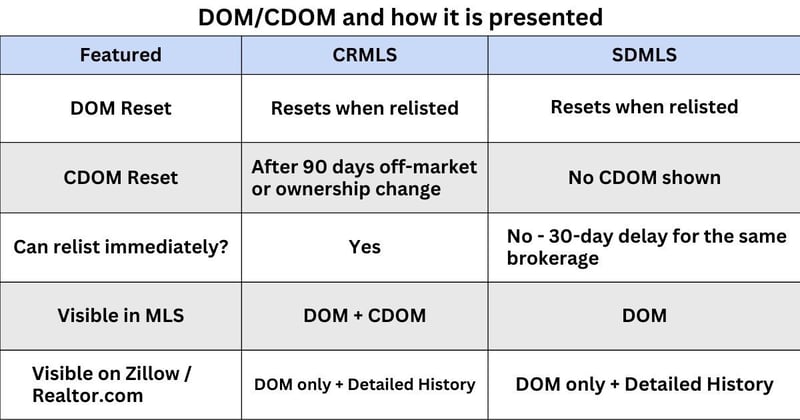
Here’s a quick overview of how DAM is handled in CRMLS and how we understand it works in SDMLS.

CRMLS

  • DAM Reset: When a property is relisted, the DAM resets to zero.
  • CDAM Reset: CDAM resets to zero only if the property has been off the market for 90 consecutive days or if there is a change in ownership.
  • Immediate Relisting: Agents can relist a property immediately after canceling or withdrawing it.
  • Display: Both DAM and CDAM are shown in CRMLS. This includes listings input through SDMLS, even though SDMLS itself does not calculate CDAM.

SDMLS (Based on SDMLS public resources)

  • DOM/CDOM Reset: If a listing is canceled or withdrawn, it may not be reentered as a new listing by the same brokerage for 30 days.
  • Relisting Rule: No relisting within 30 days.
  • Display: Only DOM appears to be shown. There’s no evidence that SDMLS calculates or displays CDOM.


Key Takeaway for REALTORS®
Be prepared to explain listing history to your clients. While DOM may reset in some systems, public-facing sites may still show previous activity. CDOM is visible to agents in CRMLS, even for SDMLS listings, which can help you give better context to your buyers and sellers.


Topics: Education, Technology, Paragon

Navigating the New FCC Rules: A Guide for Real Estate Professionals

Posted by Communications on Jan 22, 2025 8:00:00 AM

The image depicts a modern office setting where a group of real estate professionals are gathered around a sleek conference tableThe real estate industry thrives on communication, and reaching potential clients is crucial. But the digital age has brought with it a wave of unwanted calls and texts, leading to frustration and distrust. The Federal Communications Commission (FCC) has stepped in with new regulations to protect consumers, and these rules have significant implications for how real estate professionals connect with leads.  For detailed information from the FCC follow this link.


Understanding the Key Changes

  • One-to-One Consent is Paramount: Forget blanket opt-ins! The new rules demand that consumers provide individual, specific consent to each business that intends to contact them via robocalls or "robotexts." This consent must be "logically and topically associated" with the website where they provided it. For example, someone signing up for home valuation on your website can't be assumed to consent to calls about mortgage offers from your affiliated lender.

  • Lead Generation Under Scrutiny: Lead generation companies can no longer rely on broad consent obtained through third-party websites. They must ensure consumers explicitly consent to each business receiving their information.

  • Existing Leads Need a Check-Up: Don't assume your current contact list is good to go! Leads obtained before January 27, 2025, may not meet the new consent standards. Review your database and re-obtain consent where necessary.

  • Manual Outreach Remains Viable: While the new rules focus on automated communication, you can still make manual calls and send texts without prior consent. However, you must adhere to the Do-Not-Call Registry and avoid using pre-recorded or artificial voices.

  • Legal Challenges on the Horizon: The one-to-one consent rule is facing legal challenges, and its future may be influenced by court decisions. Stay informed about any updates or changes to the rule.

Actionable Steps for Real Estate Professionals

  1. Review and Revise Consent Forms: Ensure your website and other lead capture forms clearly state that the consumer is consenting to receive calls/texts specifically from your brokerage or agency.
  2. Obtain Express Written Consent: Always get written consent (electronic is acceptable) before initiating robocalls or "robotexts."
  3. Scrutinize Lead Generation Practices: Work only with lead generation companies that comply with the new FCC rules.
  4. Stay Updated on Do-Not-Call Regulations: Regularly check the Do-Not-Call Registry and promptly remove any listed numbers.
  5. Educate Your Team: Ensure all agents and staff understand the new rules and their implications.

Important Disclaimer:

This blog post is intended for educational purposes only and does not constitute legal advice. The FCC regulations are complex and subject to change. While we strive for accuracy, it is crucial to consult with an attorney for professional guidance on how to ensure your business practices are fully compliant. Final decisions regarding your business practices should be made after seeking legal counsel.

Topics: Education, Government Affairs, Market Information, Technology

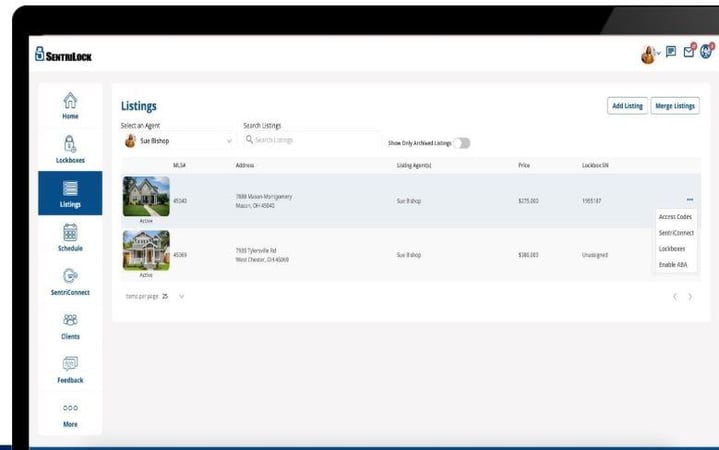
Trade old non-bluetooth lockbox For the newest box at a Deep Discount!

Posted by Kevin McElroy on Jul 11, 2024 9:08:16 AM

Old Sentri Lockboxes will be out of date

Updated October 25th, 2024

PSAR's CRMLS subscribers can exchange registered old Gen 1 and Gen 2 lockboxes for new ones at a discounted price of $139 while supplies last!

With the sunsetting of Sentrikey cards by Sentrilock back in March, these features are no longer available on the non-Bluetooth lockboxes:

  • Non-Bluetooth lockboxes should not be bought or sold, as ownership cannot be transferred

  • If one of these boxes has been inactive/not accessed for over a year and needs an internal clock reset, that action cannot be performed, which means the box will no longer function.

PSAR urges members not to dispose of old boxes in the trash but to drop them off at PSAR for recycling-- and for a 20% discount off the price of a new Sentriguard box if you need to replace it!

For more information, contact PSAR at support@psar.org, call: (619) 421-7811, or visit one of our offices.

sentrilock


Topics: Education, Industry, Sentrilock